

Choosing the right bathtub involves understanding various sizes, types, materials, and features to ensure it fits your bathroom space and meets your preferences.
Considerations Before Buying a New Bathtub
- Bathroom Size and Layout: Measure your bathroom to determine the ideal bathtub size and placement. For smaller spaces, alcove bathtubs or corner bathtubs are space-efficient. Larger bathrooms can accommodate freestanding or drop-in tubs.
- Intended Use: Consider who will use the bathtub and how often. A durable and spacious tub is ideal for families with children. Soaking or whirlpool tubs offer enhanced comfort for relaxation seekers.
- Comfort vs. Size: Ensure the tub is long enough to stretch out, wide enough for comfort, and deep enough for soaking. Standard tubs are 14-16 inches deep, while soaking tubs can be 18-22 inches deep.
- Installation Process: Different tubs have varying installation requirements. Freestanding tubs offer flexibility in placement, while drop-in and corner tubs may require more extensive carpentry or plumbing work.
Types of Bathtubs & Measurement Tips
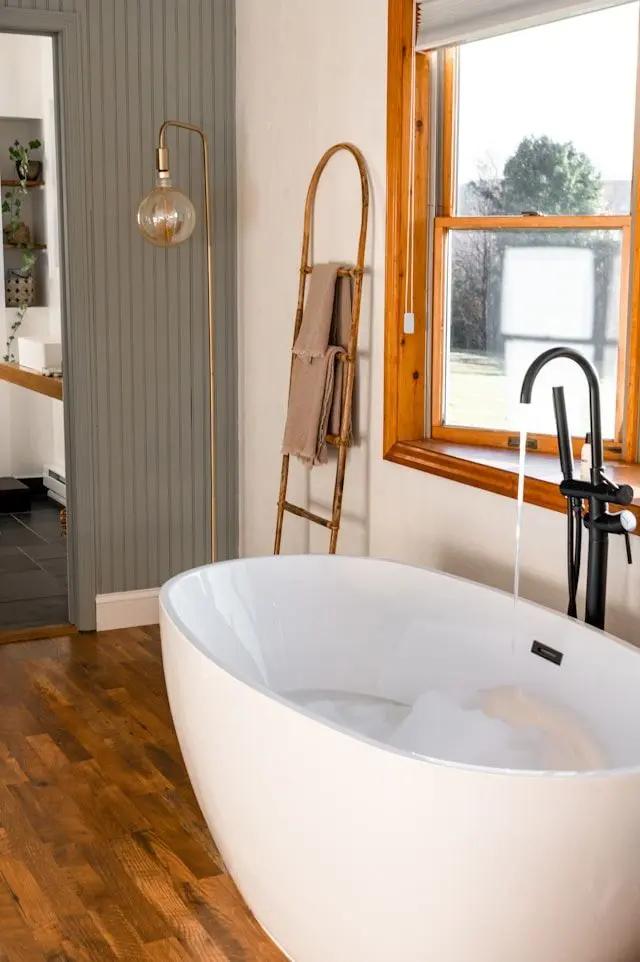
Understanding standard bathtub dimensions helps in selecting a tub that fits your space:
Alcove Bathtubs
Alcove Bathtubs typically 60 inches long, 30-32 inches wide, and 14-18 inches deep. Installed between three walls, these tubs maximize space efficiency, making them ideal for small to medium-sized bathrooms. They are space-saving, cost-effective, and versatile, but offer limited design options.
- Price Range: $300 - $700.
Freestanding Bathtubs
Freestanding Bathtubs tubs range from 55-72 inches in length, 27-32 inches in width, and 15-20 inches in height. These standalone tubs can be placed anywhere in the bathroom and often serve as a centerpiece in larger spaces. They provide aesthetic appeal and design versatility but require more space and can be expensive.
- Price Range: $1,200 - $3,500.
Soaking Bathtubs
Soaking Bathtubs are designed for deep soaking, they are often 60-72 inches long, 30-40 inches wide, and 20-24 inches deep. These tubs offer enhanced comfort and therapeutic benefits, making them perfect for homeowners seeking a spa-like atmosphere at home. However, they use more water than standard tubs.
- Price Range: $600 - $2,000.
Drop-In Bathtubs
Drop-In Bathtubs require a framed enclosure and typically measure 45-72 inches in length, 30-32 inches in width, and 14-20 inches in depth. These tubs provide a customizable, integrated look, fitting well into bathrooms with custom layouts and ample space. While they allow for design flexibility, installation is more complex and costly.
- Price Range: $800 - $2,500.
Corner Bathtubs
Corner Bathtubs are designed to fit into a corner, usually 60 inches in length and width, and 22 inches in height. These triangular tubs are great for spacious primary bathrooms or shared soaking spaces. They offer a luxurious feel and can accommodate two users, but take up significant floor space and use more water.
- Price Range: $1,000 - $3,000.
Whirlpool Bathtubs
Whirlpool Bathtubs are typically equipped with jets for a hydrotherapy experience. These tubs range from 60-72 inches long, 32-48 inches in width, and 18-24 inches in depth. They are ideal for homeowners looking for muscle relaxation and a spa-like experience. However, they require more maintenance and come with a higher cost.
- Price Range: $1,500 - $5,000.
Walk-In Bathtubs
Walk-In Bathtubs are designed with a watertight door for easy entry. These tubs typically measure 52-60 inches in length, 28-32 inches in width, and 36-48 inches in height. They offer enhanced safety and accessibility for individuals with mobility issues. While user-friendly, they have a high initial cost, take longer to fill and drain, and require complex installation.
- Price Range: Varies based on features.
Choosing the Perfect Bathtub Size
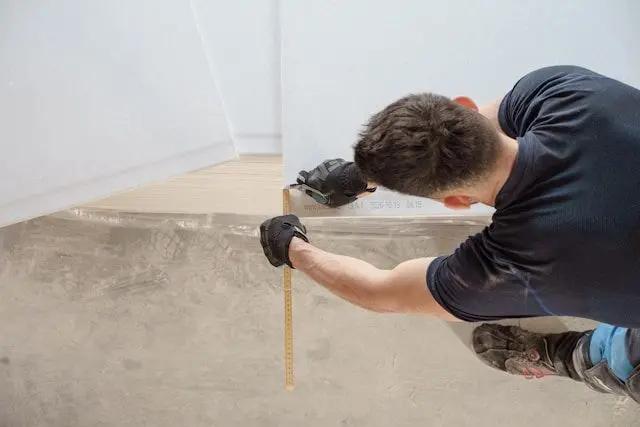
- Assess Your Space: Measure the available area in your bathroom, considering doorways and other fixtures, to ensure the bathtub fits comfortably.
- User Comfort: Choose a size that allows users to bathe comfortably, considering both length and depth preferences.
- Future Needs: Anticipate future requirements, such as accessibility features, to ensure long-term suitability.
FAQs
Which material is best for a bathtub?
Common bathtub materials include:
- Acrylic: Lightweight, affordable, and retains heat well.
- Fiberglass: Inexpensive but less durable over time.
- Cast Iron: Extremely durable and retains heat, but heavy and costly. Choose a material based on durability, cost, and aesthetic preferences.
How long do bathtubs last?
The lifespan of a bathtub depends on its material:
- Acrylic and fiberglass tubs last 10-15 years.
- Cast iron tubs can last 50 years or more with proper care.
Can I install a bathtub myself?
While some experienced DIYers may install a bathtub, most require professional plumbing and carpentry expertise, especially for freestanding or drop-in tubs.
How do I maintain my bathtub?
Clean your bathtub regularly using non-abrasive cleaners. Avoid harsh chemicals, especially for acrylic and fiberglass tubs, and check for leaks or signs of wear over time.
Are bathtubs eco-friendly?
Some bathtubs are eco-friendly, especially those made from sustainable materials or designed to use less water. Look for tubs with water-saving features if environmental concerns are a priority.
