
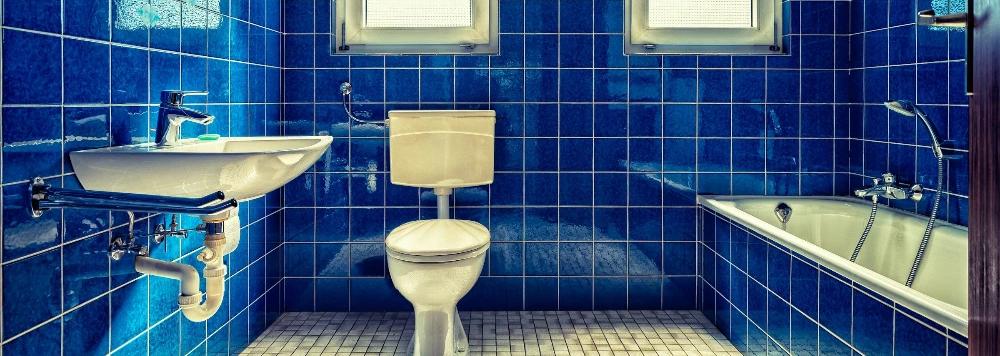
When selecting bathroom tiles, it's essential to consider the various materials, shapes, finishes, and current bathroom trends to create a functional and stylish space.
Tile Materials
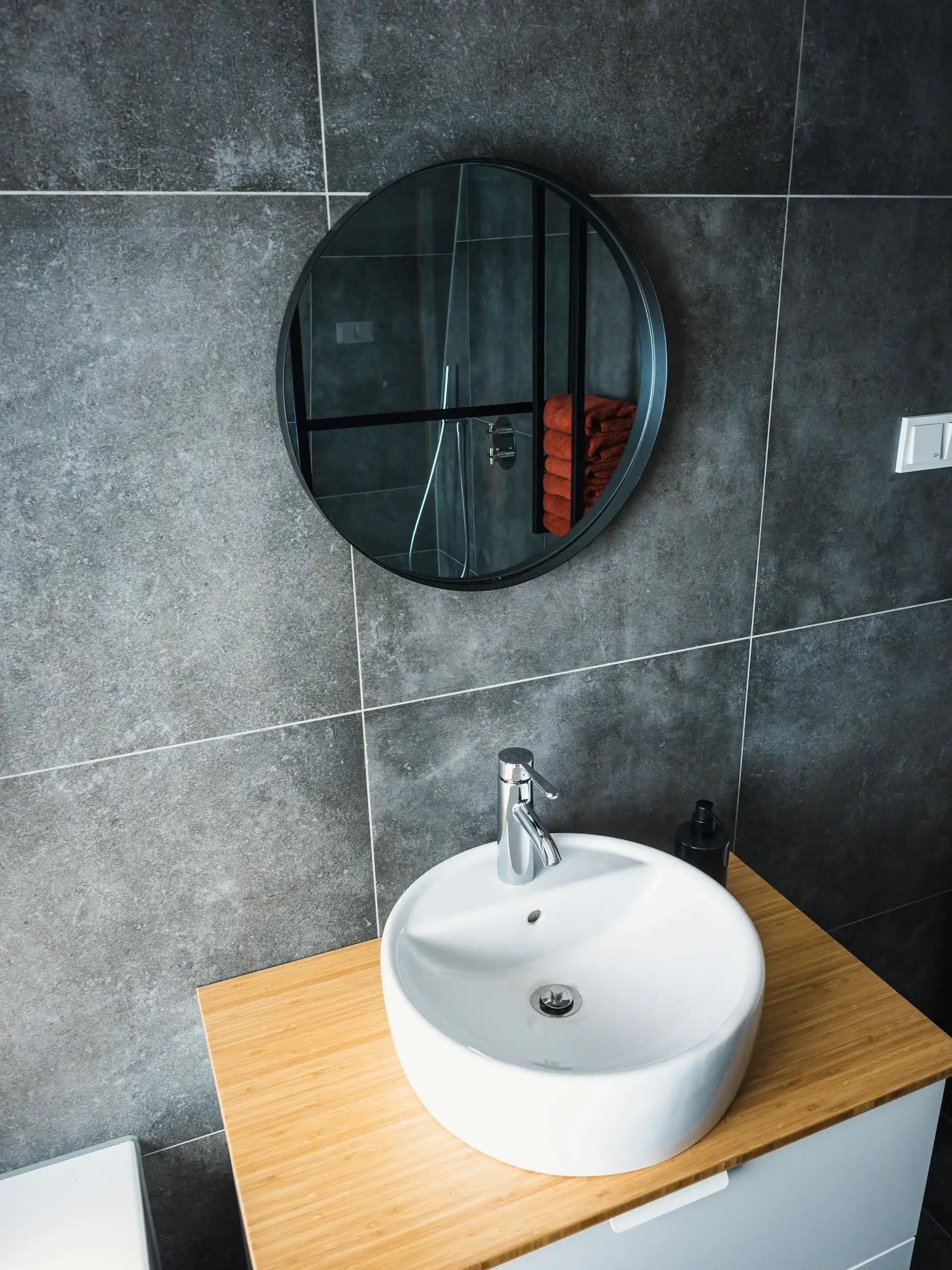
- Ceramic and Porcelain Tiles: Known for their durability and water resistance, ceramic and porcelain tiles are popular bathroom choices. They come in various colors, patterns, and finishes, making them versatile for different design aesthetics.
- Natural Stone Tiles: Materials like marble, granite, slate, and travertine offer a luxurious and timeless appeal. Each stone has unique veining and textures, adding character to the bathroom. However, they may require more maintenance to prevent staining and damage.
- Glass Tiles: Glass tiles can add a sleek and modern touch to bathrooms. They reflect light, making spaces appear larger and brighter. Often used as accents or in mosaic patterns, they can create stunning visual effects.
- Mosaic Tiles: Comprising small pieces of glass, stone, or ceramic, mosaic tiles are ideal for creating intricate patterns and designs. They are often used for feature walls, backsplashes, or shower floors to add visual interest.
Tile Shapes and Patterns
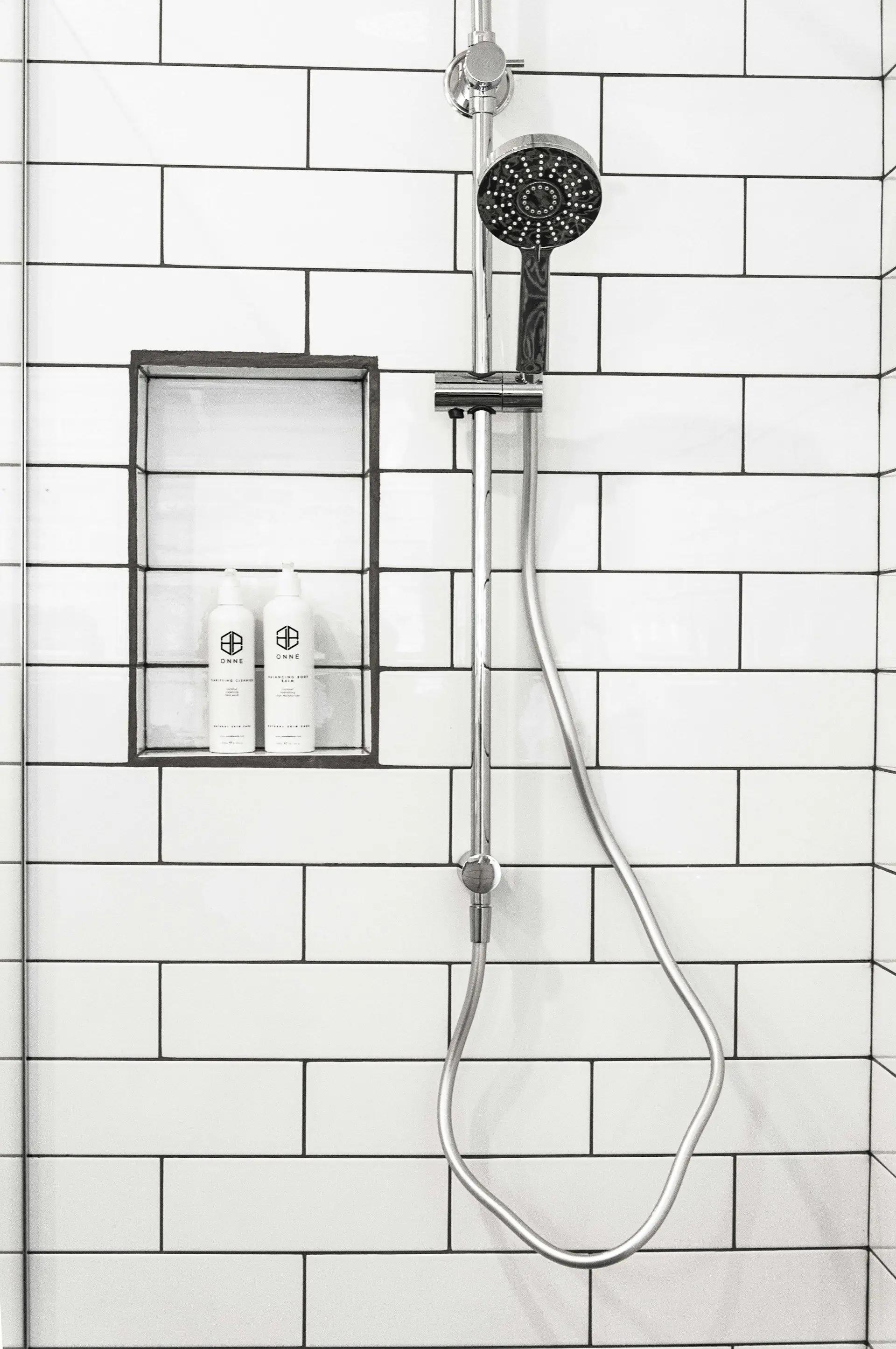
- Subway Tiles: Rectangular tiles traditionally arranged in a staggered pattern, offering a classic and clean look. They can be laid in various configurations, such as herringbone or vertical stacks, to add a modern twist.
- Hexagon Tiles: Six-sided tiles that can create a honeycomb pattern, adding geometric interest to floors or walls. They are available in various sizes and materials, allowing for creative designs.
- Penny Tiles: Small, round tiles that offer a vintage charm. Often used for flooring or shower niches, they provide texture and a unique aesthetic.
Tile Finishes
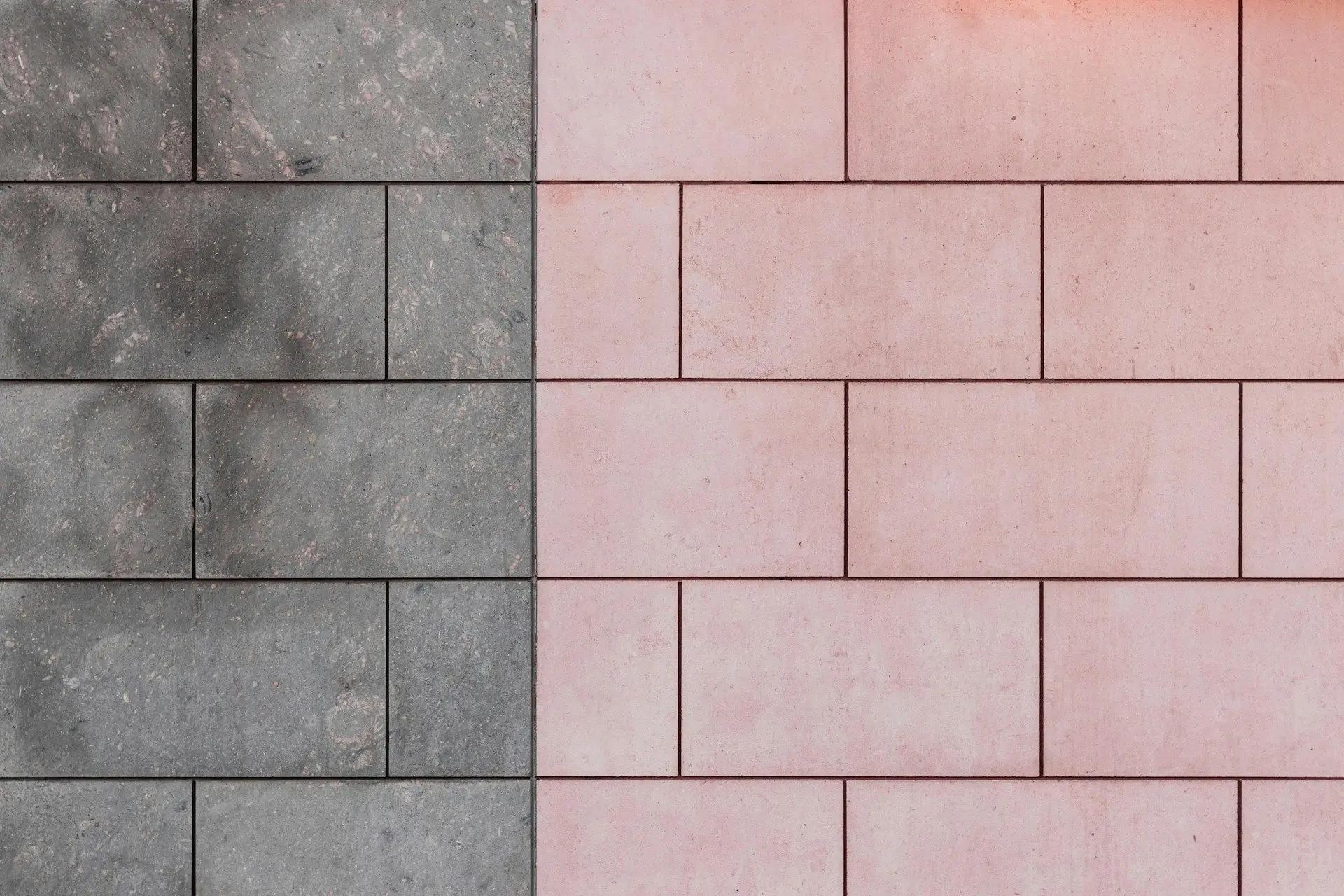
- Matte Finish: Offers a non-reflective surface that is less prone to showing water spots and fingerprints, ideal for flooring.
- Glossy Finish: Provides a shiny, reflective surface that can make spaces feel larger but may require more maintenance to keep clean.
Choosing the Right Tile for Your Bathroom
- Consider the Size of the Space: Larger tiles can make a small bathroom appear more spacious, while smaller tiles can add detail and texture.
- Maintenance: Natural stone may require sealing and more upkeep compared to ceramic or porcelain tiles.
- Safety: For flooring, choose tiles with a higher slip resistance to prevent accidents, especially in wet areas.
Conclusion
Selecting the right combination of tile materials, shapes, and finishes can significantly enhance your bathroom's functionality and aesthetic appeal. By considering the space's size, maintenance needs, and current design trends, you can create a bathroom that is both stylish and practical.
FAQs
What is the most durable tile for bathroom floors?
Porcelain tiles are highly durable and water-resistant, making them an excellent choice for bathroom floors.
Are natural stone tiles suitable for bathrooms?
Yes, natural stone tiles like marble and granite can add luxury to bathrooms but may require more maintenance to prevent staining.
How can I make a small bathroom appear larger with tiles?
Using larger tiles and lighter colors can create an illusion of more space in a small bathroom.
What tile finish is best for bathroom floors?
A matte finish is recommended for bathroom floors as it provides better slip resistance compared to glossy finishes.
Can I mix different tile shapes and materials in my bathroom design?
Yes, combining various tile shapes and materials can add depth and interest to your bathroom design, allowing for a personalized touch.
