
Upgrading your shower can significantly enhance your bathroom's functionality and aesthetics. Whether you're replacing an outdated unit or installing a new one, understanding the process and associated costs is essential.
How Much Does It Cost to Install a Shower?
The cost of installing a new shower varies widely based on factors such as the type of shower, materials used, and labor involved. On average, homeowners spend between $3,733 and $11,173, with many averaging around $7,350 for a standard shower installation.
For walk-in showers, the average cost is approximately $9,000, with a typical range between $6,000 and $12,000.
Labor costs can also vary, with plumbers charging between $50 and $120 per hour. Most shower installations take between two and five days, resulting in labor costs ranging from $800 to $4,800.
Choosing a Shower: Which Water System Do You Have?
Selecting the right shower depends on your home's water system:
- Gravity-Fed System: Characterized by a hot water cylinder and a cold water storage cistern, this system offers flexibility. You can opt for a mixer shower with or without a pump, power, or electric shower.
- Combination Boiler or Mains Supply: Homes with a combi boiler or direct mains supply are suitable for mixer showers or electric showers. However, installing a pump isn't feasible with these systems.
How to Fit an Electric Shower
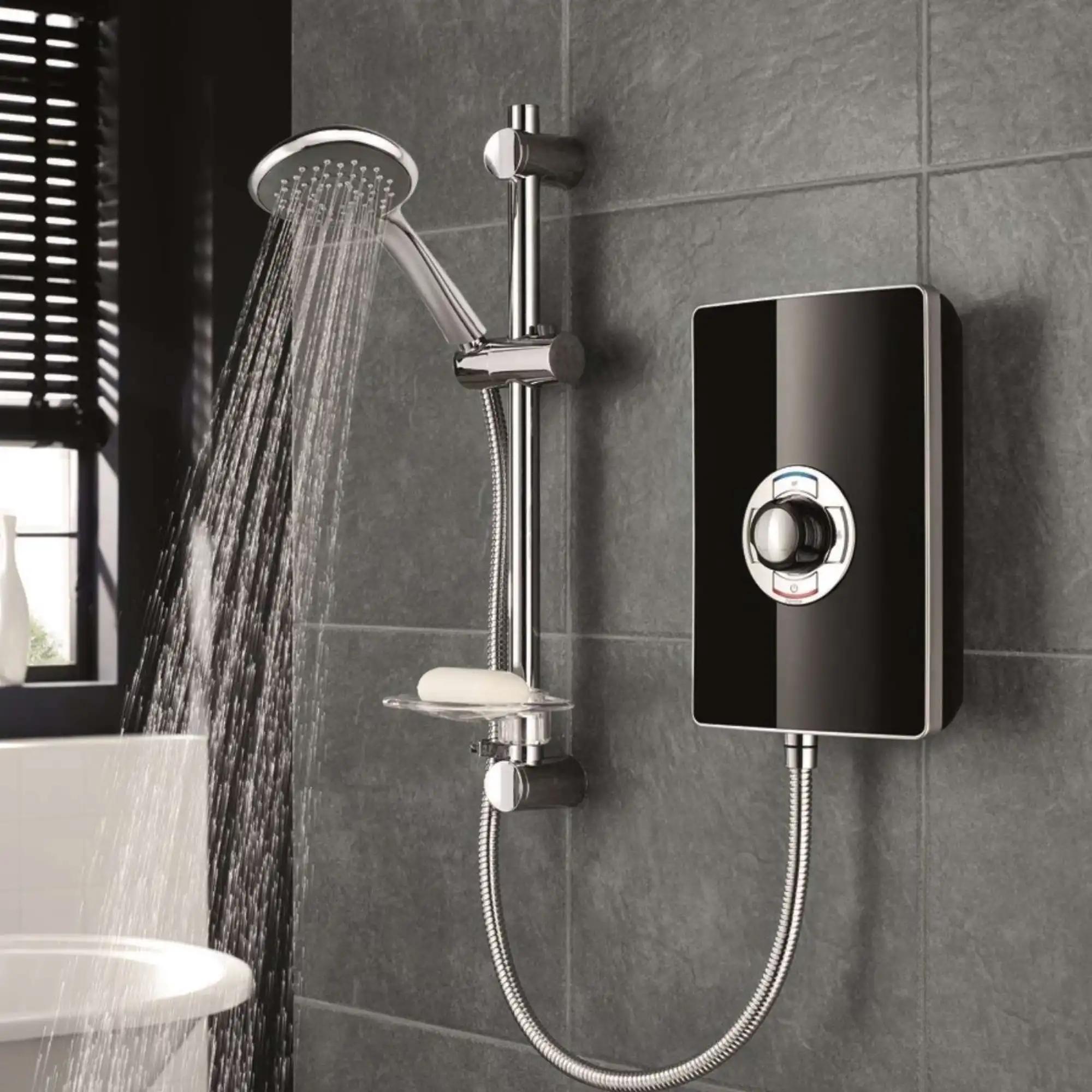
Installing an electric shower involves several key steps:
- Prepare the Pipework: Run a single 15mm pipe from the cold water supply near the storage tank to the intended shower location.
- Flush the System: Before connecting the unit, turn on the water to flush out any debris from the water inlet pipe, then turn it off and drain the pipe.
- Electrical Connection: Electric showers require a dedicated electrical circuit. Hiring a certified electrician to handle the wiring is crucial, as well as ensuring compliance with safety standards.
- Mount the Shower Unit: Secure the unit to the wall, connect the plumbing and electrical components, and test the system for proper functionality.
How to Fit a Thermostatic Mixer Shower
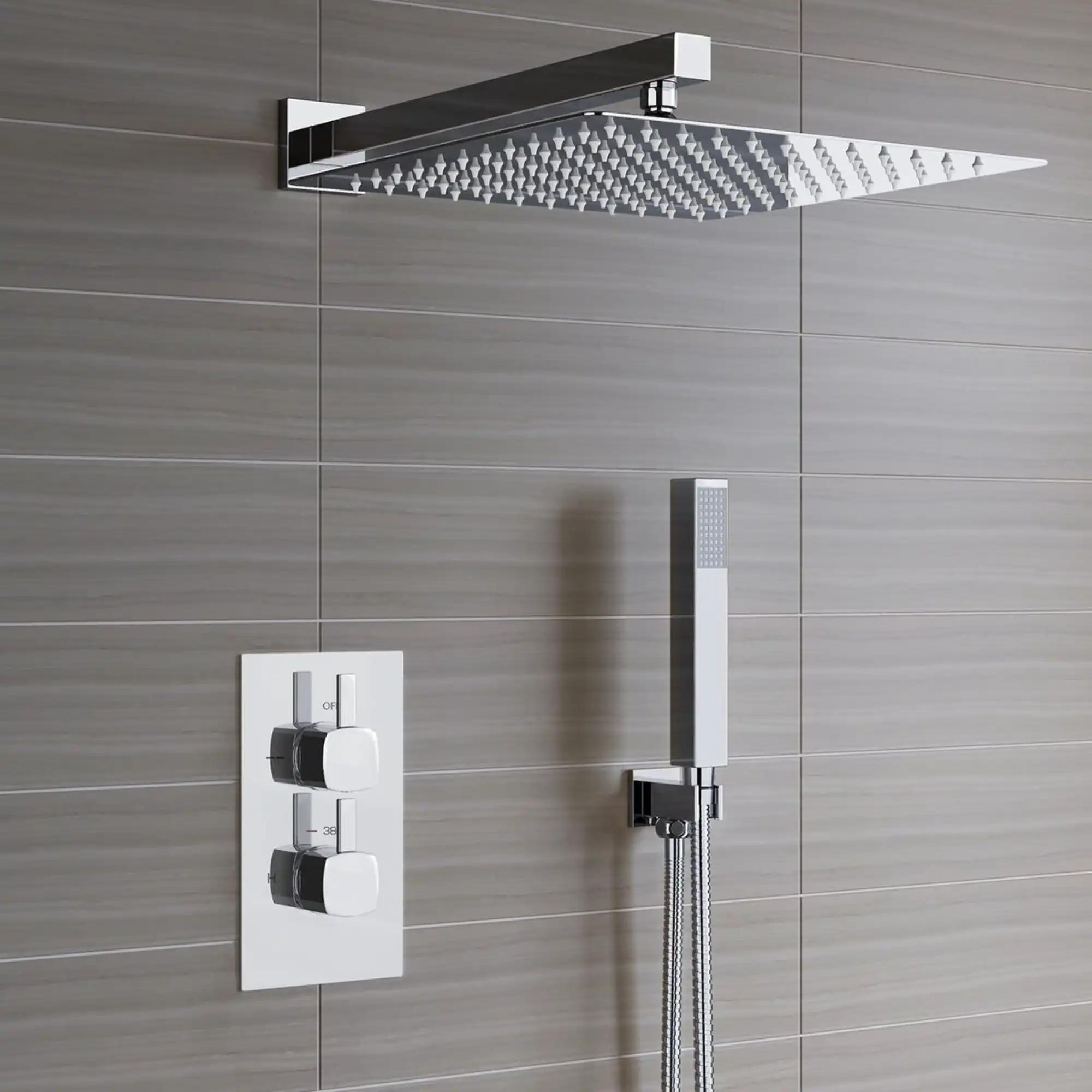
A thermostatic mixer shower blends hot and cold water to maintain a consistent temperature. To install:
- Identify Water Supplies: Ensure both hot and cold water supplies are accessible at the installation point.
- Install the Mixer Valve: Follow the manufacturer's instructions to connect the valve to the water supplies, ensuring all connections are secure.
- Attach the Showerhead and Controls: Mount the showerhead and control panel, then test the system to confirm consistent water temperature and flow.
How to Fit a Shower Tray
Installing a shower tray requires precision:
- Position the Tray: Place the tray in the desired location, ensuring it's level.
- Connect the Waste Outlet: Attach the waste outlet to the tray, ensuring a watertight seal.
- Secure the Tray: Fix the tray in place using appropriate adhesive or screws, as recommended by the manufacturer.
- Seal the Edges: Apply a suitable sealant around the edges to prevent water leakage.
How to Fit a Shower Enclosure
To install a shower enclosure:
- Assemble the Frame: Follow the manufacturer's guidelines to assemble the enclosure frame.
- Secure to the Wall: Attach the frame to the wall, ensuring it's plumb and level.
- Install the Doors: Hang the doors, adjusting them to open and close smoothly.
- Seal the Joints: Use a high-quality sealant to seal all joints, preventing water from escaping.
Safety First
When installing a shower, prioritize safety:
- Electrical Work: Always hire a certified electrician for any electrical connections.
- Waterproofing: Ensure all areas are properly sealed to prevent water damage.
- Ventilation: Maintain adequate ventilation to prevent mold growth.
DIY Shower Installation vs. Hiring a Pro
While DIY installation can save money, it requires a certain level of skill and knowledge. Improper installation can lead to issues like leaks or electrical hazards. Hiring a professional ensures the job is done correctly and safely, providing peace of mind.
Conclusion
Replacing or installing a new shower is a significant home improvement project that can enhance your bathroom's functionality and value. By understanding the costs, choosing the right type of shower for your water system, and following proper installation procedures, you can achieve a successful and satisfying upgrade.
FAQs
- How long does it take to install a new shower?
- The duration varies based on the type of shower and the complexity of the installation. On average, it takes between two to five days.
- Can I install a new shower myself?
- Yes, if you have the necessary skills and knowledge. However, certain aspects, especially electrical work, should be handled by professionals to ensure safety.
- What factors affect the cost of shower installation?
- Factors include the type of shower, materials
