
Timing is everything when it comes to home improvement projects, especially replacements. Whether you're planning a roof replacement, window installation, or windshield repair, the season you choose can significantly impact material performance, installation quality, project timeline, and your budget. This comprehensive guide explores how weather conditions, contractor availability, and seasonal factors influence replacement projects throughout the year.
By understanding these crucial seasonal considerations, you'll be equipped to make informed decisions about when to schedule your next replacement project for optimal results, maximum durability, and potential cost savings.
Let's explore the best times of year for various replacement projects and how to navigate seasonal challenges like a pro.
Why the Timing of Your Replacement Project is Crucial

The season you select for your replacement project isn't just about convenience—it can fundamentally affect the quality, longevity, and cost of your investment.
Weather conditions directly impact how materials behave during installation and in the critical curing period that follows. For instance, asphalt shingles installed in extreme cold may not seal properly, while certain adhesives and sealants applied in high humidity might fail to bond correctly.
Temperature fluctuations can cause materials to expand or contract, potentially compromising the integrity of the finished project if not properly accounted for during installation.
Beyond material considerations, contractor availability fluctuates dramatically throughout the year. During peak seasons (typically late spring through fall), quality contractors often book months in advance and may charge premium rates due to high demand. Conversely, scheduling during off-peak periods might secure you discounted rates and more flexible scheduling options, though potentially at the cost of less-than-ideal weather conditions.
Project efficiency also varies by season. Longer summer days provide extended working hours, potentially shortening your project timeline. Meanwhile, winter projects might stretch longer due to shorter daylight hours and weather-related interruptions.
Understanding these seasonal dynamics allows you to strategically plan your replacement project, balancing ideal installation conditions with practical considerations like budget constraints and project urgency.
Evaluating Each Season for Your Replacement Project
Each season offers distinct advantages and challenges for replacement projects. Understanding these seasonal nuances helps you determine the optimal timing for your specific project needs.
Let's examine what each season brings to the table for replacement work, from material performance to contractor availability and cost considerations.
While conventional wisdom might suggest summer is ideal for all home improvements, the reality is more nuanced. Depending on your specific replacement project, local climate, and personal priorities, any season could potentially be "best" for your needs.
For instance, fall might be perfect for roof replacements in southern states to avoid summer's extreme heat, while northern homeowners might prefer summer to ensure proper sealing before winter arrives.
The key is understanding how seasonal factors specifically impact your project type, materials, and location.
By evaluating these considerations alongside your budget and timeline requirements, you can identify the sweet spot that balances optimal installation conditions with practical constraints. Let's explore each season's unique characteristics to help you make this important decision.
Spring: A Fresh Start for Replacements
Spring represents a season of renewal and is often an excellent time to undertake replacement projects as the harsh winter conditions give way to milder weather.
With temperatures typically ranging between 45-70°F in most regions, spring provides ideal conditions for a wide variety of materials. Adhesives, sealants, and caulking compounds cure properly in these moderate temperatures, ensuring optimal performance and longevity of your installation.
The comfortable working conditions in spring also benefit installation crews, allowing them to work efficiently without the extremes of summer heat or winter cold.
This often translates to higher quality workmanship as technicians can focus on precision rather than rushing to escape uncomfortable conditions. Additionally, scheduling in early spring might help you avoid the peak summer rush, potentially securing better rates and more flexible scheduling options as contractors begin ramping up their seasonal operations.
However, spring isn't without challenges. The season's notorious rainfall can cause unexpected delays, particularly for exterior projects. A sudden spring shower can postpone roof or siding replacements, extending your project timeline.
As the season progresses, contractor availability typically decreases as more homeowners begin scheduling their annual projects. To maximize spring's benefits while minimizing its drawbacks, consider booking your replacement project early in the season and building some flexibility into your timeline to accommodate potential weather delays.
Summer: Maximizing Daylight for Faster Turnarounds
Summer offers the distinct advantage of extended daylight hours, allowing work crews to make significant daily progress on your replacement project
With up to 15 hours of daylight in some regions, contractors can often complete projects more quickly during summer months than at any other time of year
Early and mid-summer typically feature more consistent weather patterns with fewer rain interruptions than spring, creating ideal conditions for continuous work progress
The warm, dry conditions of summer are particularly beneficial for certain materials that require higher temperatures to properly set and cure
Concrete, mortar, and some exterior paints perform optimally in summer conditions, making this season ideal for projects involving these materials
For homeowners replacing windows or doors, summer installations minimize the period your home is exposed to the elements, reducing energy loss during the replacement process
However, summer's intense heat presents significant challenges
Extreme temperatures can cause asphalt shingles to soften and become susceptible to damage during installation
PVCu windows and doors may expand in high heat, potentially leading to fitting issues if not properly accounted for
Additionally, high temperatures can accelerate the drying time of adhesives and sealants, sometimes before proper application is complete
Worker productivity and safety concerns also arise during heat waves, potentially slowing progress
Perhaps most significantly, summer represents peak season for most contractors, resulting in premium pricing and extended wait times, often 4-8 weeks for popular contractors
For summer projects, early morning scheduling and advance booking (ideally 2-3 months ahead) are essential strategies for success
Fall: Often the Preferred Season for Many Projects
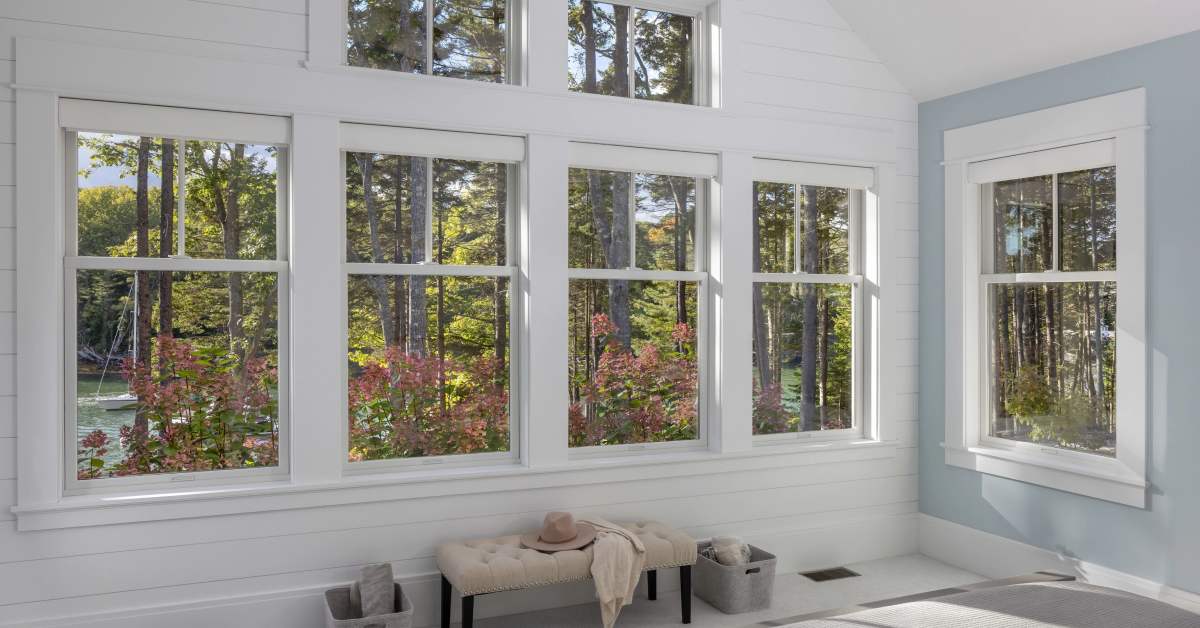
Fall emerges as the golden season for many replacement projects, offering a sweet spot of ideal working conditions
With temperatures typically ranging from 45-70°F in most regions, fall provides the perfect environment for proper material installation and curing
These moderate temperatures allow adhesives and sealants to set at their intended rate, creating stronger bonds and better overall performance
For roofing projects specifically, fall's cooler temperatures prevent shingles from becoming too pliable during installation while still being warm enough for proper thermal sealing
Beyond temperature benefits, fall typically brings more stable weather patterns with decreased humidity and rainfall compared to spring and summer in many regions
This weather stability reduces the likelihood of unexpected delays, helping projects stay on schedule
Additionally, completing exterior replacements in fall prepares your home for the harsh winter conditions ahead, potentially preventing emergency repairs during the most challenging weather months
The primary drawback of fall replacements is the extremely high demand
Many homeowners recognize fall's ideal conditions, making it the busiest season for most contractors
This high demand often translates to premium pricing and limited contractor availability, with popular companies sometimes booking 2-3 months in advance
Additionally, as fall progresses, dropping temperatures and earlier sunsets can reduce daily working hours, potentially extending project timelines
To leverage fall's advantages while mitigating its challenges, experts recommend booking your fall replacement project by mid-summer and being flexible with scheduling to accommodate your contractor's busy calendar.
Winter: Navigating Challenges for Urgent or Off-Season Projects
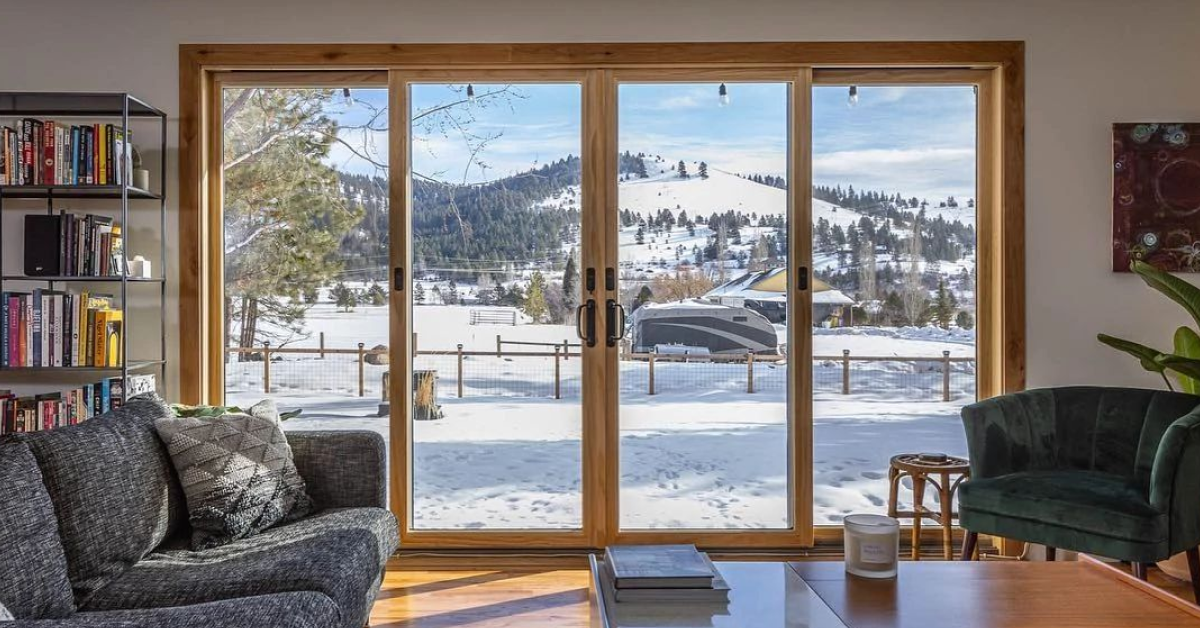
Winter presents unique opportunities for savvy homeowners willing to navigate its challenges
The most compelling advantage of winter replacement projects is the potential for significant cost savings
With demand at its annual low point, many contractors offer substantial discounts—sometimes 10-20% below peak season pricing—to keep their crews working during these slower months
This reduced demand also translates to greater scheduling flexibility and faster project start times, with some contractors able to begin work within days rather than the weeks or months typical during busier seasons
For interior replacement projects like bathroom fixtures, flooring, or indoor windows, winter can be ideal as these installations are largely sheltered from the elements
Additionally, manufacturers and suppliers often run winter promotions and clearance sales to boost seasonal demand, creating opportunities for material cost savings that complement contractor discounts
However, winter's challenges cannot be overlooked
Cold temperatures below 40°F can compromise many building materials—asphalt shingles become brittle and susceptible to cracking, while sealants and adhesives may fail to cure properly
Shorter daylight hours (sometimes just 8-9 hours) significantly reduce daily working time, potentially extending project timelines
Safety concerns also increase with icy conditions, creating hazards for work crews, particularly on roofing projects
In regions with severe winter weather, snow and ice can cause unpredictable delays lasting days or even weeks
Winter replacements work best for urgent projects that cannot wait for ideal conditions or for planned interior work
If pursuing exterior replacements in winter, look for contractors experienced with cold-weather installation techniques and materials specifically formulated for lower temperatures.
Key Factors to Determine the Best Time for YOUR Replacement
While general seasonal guidelines provide a helpful framework, determining the optimal timing for your specific replacement project requires evaluating several key factors unique to your situation
First, assess the urgency of your replacement needs.
Safety concerns, active leaks, or structural damage may necessitate immediate action regardless of season
In these cases, working with contractors who specialize in year-round installations becomes essential, as they'll have the expertise to adapt their techniques to current conditions
The specific materials involved in your replacement project significantly influence ideal timing
Asphalt shingles perform best when installed in temperatures between 40-85°F to prevent brittleness in cold weather and over-softening in extreme heat
Wooden components need moderate humidity levels to prevent warping or shrinking after installation
PVCu and metal materials expand and contract with temperature fluctuations, requiring installation during moderate conditions or with appropriate expansion allowances
Most sealants and adhesives have minimum temperature requirements (typically 40°F) for proper curing
Your budget considerations may also influence timing decisions
If cost savings are a priority, scheduling during off-peak seasons (typically winter and early spring) can yield discounts of 5-20% from contractors eager for business
However, balance potential savings against the risk of weather-related complications that could extend your project timeline or impact installation quality
Local climate patterns should heavily influence your decision, as "winter" in Florida differs dramatically from winter in Minnesota
Research typical weather patterns in your specific region rather than relying on general seasonal guidelines
For complex or extensive replacements requiring multiple consecutive days of favorable conditions, choosing your region's most stable weather season becomes even more critical
Finally, regardless of which season you select, planning remains essential—booking 2-3 months ahead for fall projects and 1-2 months for winter or spring work ensures you secure your preferred contractor before their schedule fills
Making the Optimal Decision for Your Replacement

Navigating seasonal considerations for replacement projects ultimately requires balancing multiple factors to arrive at the best decision for your specific circumstances
Professional guidance proves invaluable in this process
Reputable contractors with extensive experience in your area can provide insights into local weather patterns and how they specifically impact your type of replacement project
These professionals can also recommend specialized materials or installation techniques that extend the viable working season, potentially giving you more flexibility in scheduling
When consulting with contractors, ask detailed questions about how they adapt their installation methods for different seasons
Quality professionals will explain their approaches to cold-weather sealing, hot-weather material handling, or moisture management during humid conditions
Their answers reveal both their expertise and their commitment to ensuring quality results regardless of when your project occurs
The decision-making process should weigh immediate factors like cost and convenience against long-term considerations like installation quality and durability
While off-season discounts might be tempting, they provide true value only if the installation quality remains uncompromised
Similarly, a slightly higher cost for installation during optimal conditions may prove economical over time if it extends the lifespan of your replacement by several years
Remember that the "perfect" season varies significantly based on your specific project, location, and priorities
A roof replacement in Arizona has very different optimal timing than the same project in Michigan
Window replacements have different seasonal considerations than windshield replacements
By thoroughly evaluating your specific circumstances against the seasonal factors outlined in this guide and consulting with experienced professionals, you can confidently determine the best timing for your replacement project, balancing immediate practical concerns with long-term performance and value
Specific Seasonal Nuances for Common Replacement Types
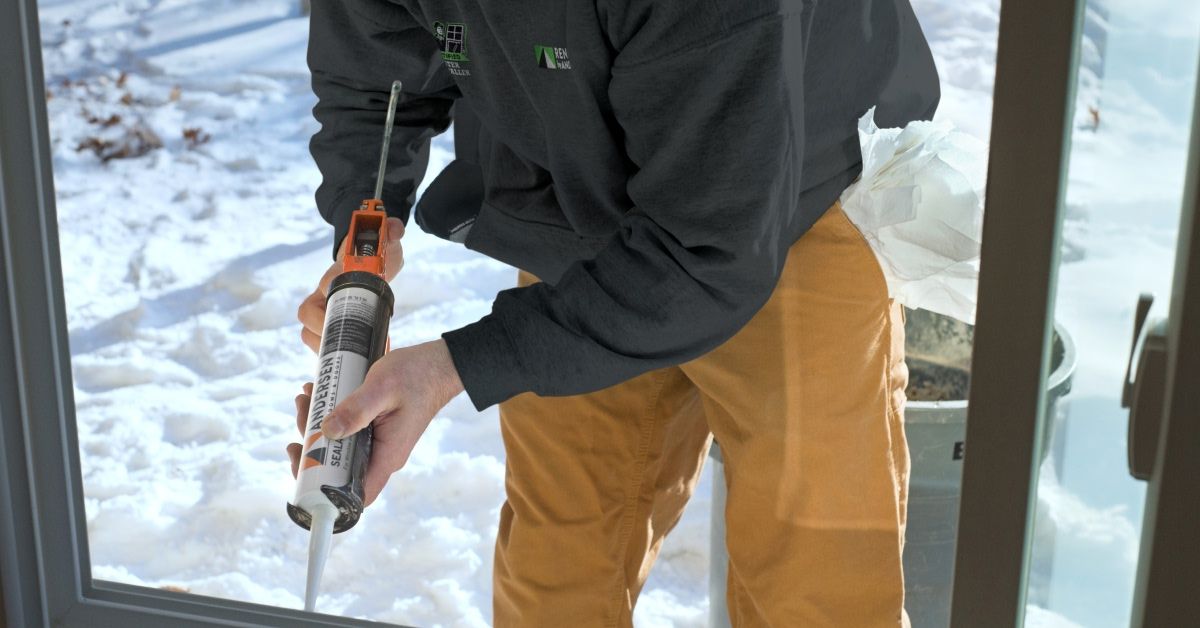
Different replacement projects respond uniquely to seasonal conditions, requiring specific considerations beyond general guidelines
For roof replacements, temperature significantly impacts asphalt shingle installation
These popular roofing materials become brittle and susceptible to cracking when installed below 40°F, while temperatures above 85°F can cause excessive softening, making shingles vulnerable to damage during installation
The thermal sealing process that bonds shingles together requires temperatures of at least 70°F for optimal activation, though this can occur gradually in cooler weather
Flat roofing systems using EPDM or TPO membranes have similar temperature sensitivities, with most manufacturers recommending installation between 40-80°F to ensure proper adhesion and prevent membrane shrinkage or expansion issues
Window and door replacements present different seasonal challenges
The primary concern is minimizing energy loss during the replacement process when your home is temporarily exposed to outdoor elements
Summer and fall installations typically minimize heating/cooling loss, though extreme summer heat can cause expansion in PVCu frames, potentially leading to fitting issues if not properly accounted for
Winter window replacements require special techniques to maintain indoor comfort, with contractors often working on one opening at a time and using temporary barriers to minimize heat loss
The sealing compounds critical to window and door energy efficiency generally require temperatures above 40°F for proper curing, making installations during extreme cold problematic without specialized products
Automotive windshield replacements have their unique seasonal considerations
Modern windshield adhesives typically require temperatures of at least 40°F to cure properly, with humidity levels below 80% for optimal bonding
Summer heat accelerates curing time, potentially reducing the safe drive-away time after replacement, while winter cold significantly extends it, sometimes requiring heated garages for installation in northern climates
Temperature fluctuations can also create stress on newly installed auto glass, making spring and fall ideal for these replacements in regions with extreme seasonal temperature variations
Understanding these material-specific seasonal nuances allows you to better plan your particular replacement project, potentially extending the viable installation season by selecting appropriate materials or installation techniques for your expected weather conditions
Final Thoughts: When is the Absolute Best Time?
After exploring the complex interplay of seasonal factors affecting replacement projects, you might still be wondering: "When is the absolute best time for my replacement?" The truth is that there is rarely a single "perfect" season that universally applies to all projects in all locations
Instead, the optimal timing emerges from balancing multiple considerations specific to your situation
For most replacement projects, moderate temperatures between 50-75°F provide ideal conditions for material handling, installation, and curing
This typically points to late spring and early fall as generally favorable seasons across most regions
However, these periods also coincide with peak demand, potentially resulting in higher costs and limited contractor availability
The "sweet spot" often involves finding shoulder seasons—those transitional weeks between peak and off-peak periods when weather conditions remain favorable but demand has begun to decrease
When facing necessary replacements due to damage or deterioration, prioritize addressing these issues promptly rather than waiting for "perfect" conditions
Delaying essential replacements can lead to secondary damage that significantly increases repair costs
Modern materials and installation techniques have expanded the viable working seasons for many replacement projects, allowing quality contractors to deliver excellent results throughout much of the year
Perhaps most importantly, the experience and adaptability of your chosen contractor often matter more than the season itself
Professional installers with extensive experience can modify their techniques to accommodate seasonal challenges, using specialized cold-weather adhesives, moisture management strategies, or heat-resistant installation methods as needed
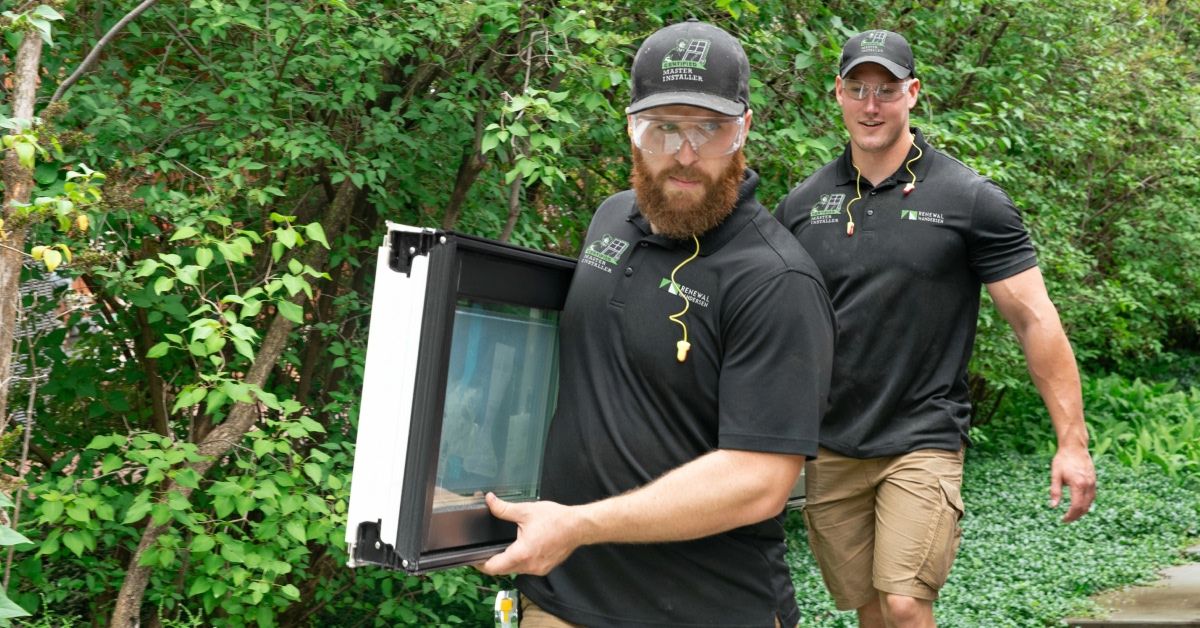
Their expertise in working with specific materials across different conditions often proves more valuable than simply selecting the "right" season
Ultimately, the best approach combines thoughtful seasonal planning with selecting highly qualified professionals who understand how to adapt to your local climate conditions
This balanced strategy ensures your replacement project achieves optimal results while accommodating your practical needs for timing, budget, and quality
Ready to plan your replacement project with confidence? Don't leave the success of your investment to chance
Contact local, experienced replacement professionals today for a personalized consultation that considers your specific project needs, local climate conditions, and budget requirements
Most reputable contractors offer free seasonal planning advice and can help you identify the optimal timing for your particular replacement
By scheduling a consultation now, you'll secure your spot in their calendar during the ideal installation window for your project
Take the first step toward a successful, season-appropriate replacement by requesting your expert consultation today!
Navigating the seasonal considerations for replacement projects requires balancing multiple factors—from material performance and weather conditions to contractor availability and budget constraints.
