
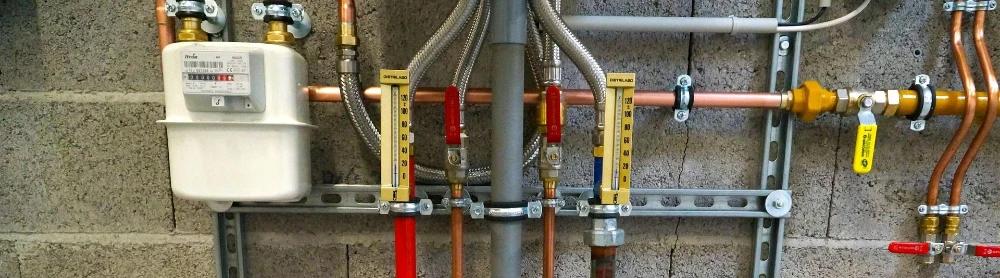
Plumbing might not be the most glamorous part of your home, but it's one of the most important. Without a well-thought-out system, everyday essentials like running water, hot showers, and flushing toilets would be challenging. Whether you’re planning a plumbing upgrade or just trying to understand how everything works, this guide will walk you through the essentials of residential plumbing—from how it’s designed to troubleshoot common problems.
Understanding Your Home’s Plumbing System
Every home’s plumbing system is made up of three main parts: the supply line network, the drainage system, and the vents. They all work together to keep water flowing in and out smoothly.
Supply Line Network
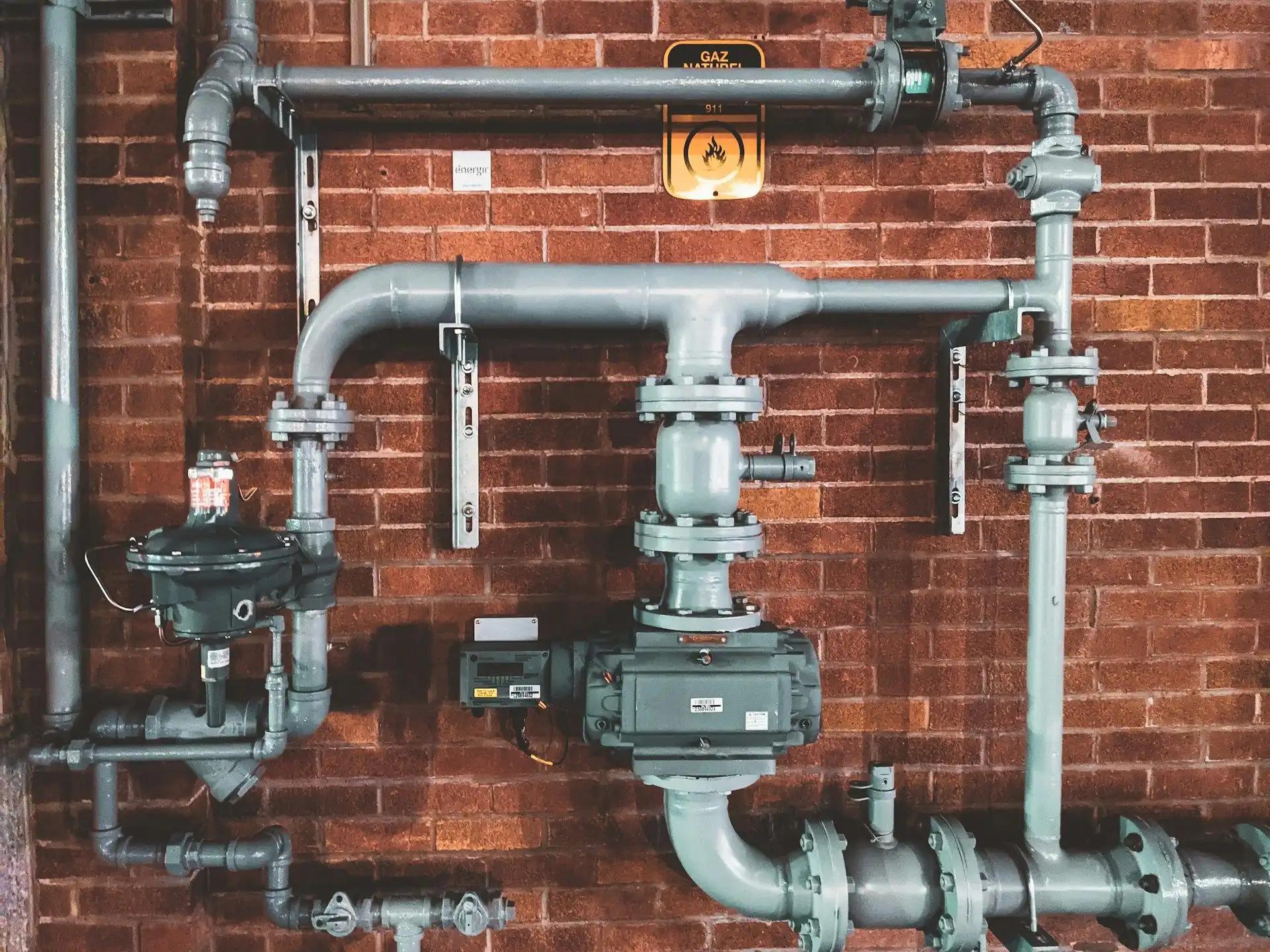
Think of the supply lines as your home’s water delivery system. These pressurized pipes bring fresh, clean water to all your faucets, appliances, and fixtures. Materials like copper and PEX are commonly used because they’re durable and reliable.
Drainage System
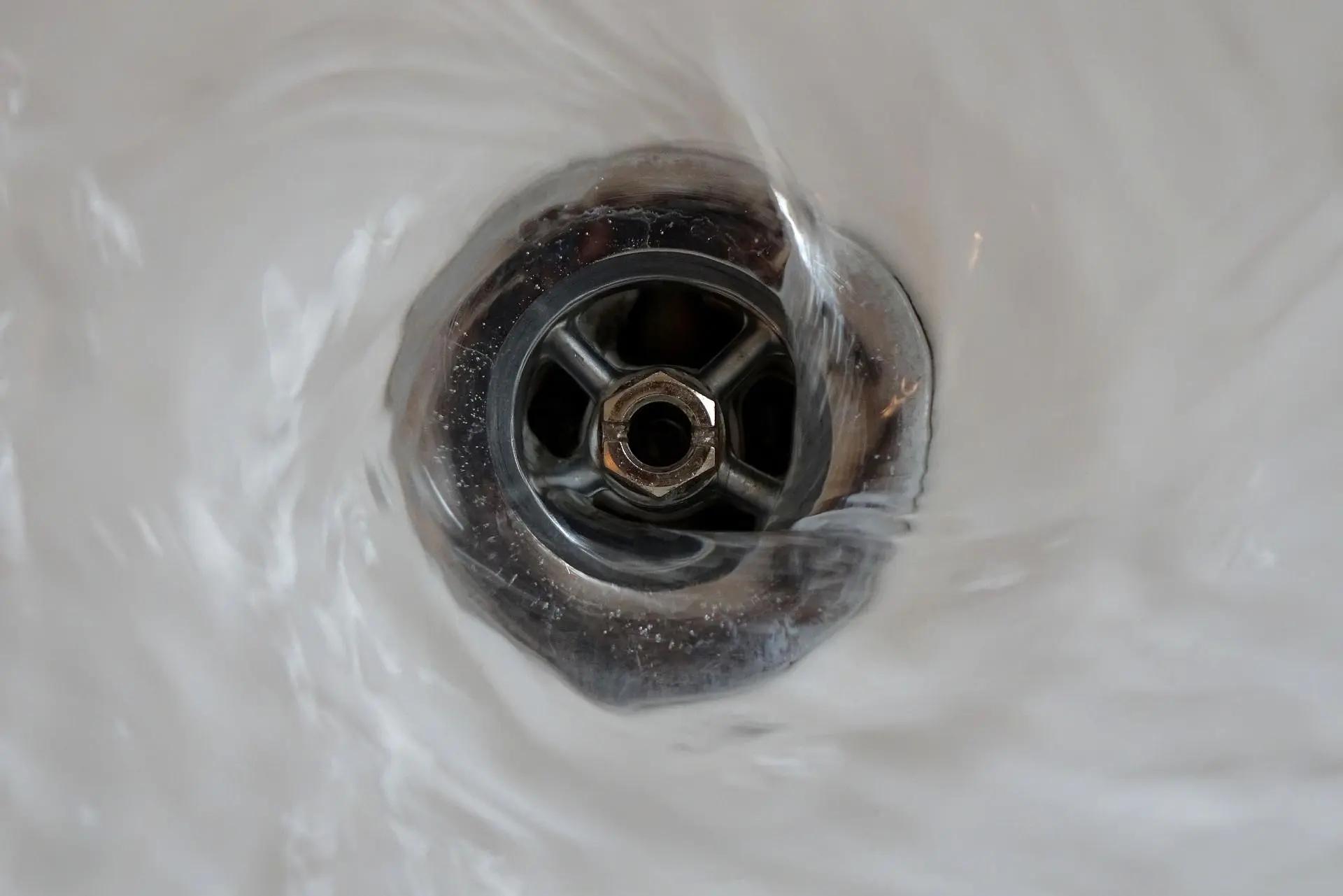
The drainage system is like your home's water disposal team. Using gravity, it carries wastewater away from your sinks, tubs, and toilets to the sewer or septic tank. A proper slope in the pipes is critical here—too steep, and the water rushes past debris; too shallow, and you’ll be dealing with clogs.
Vents
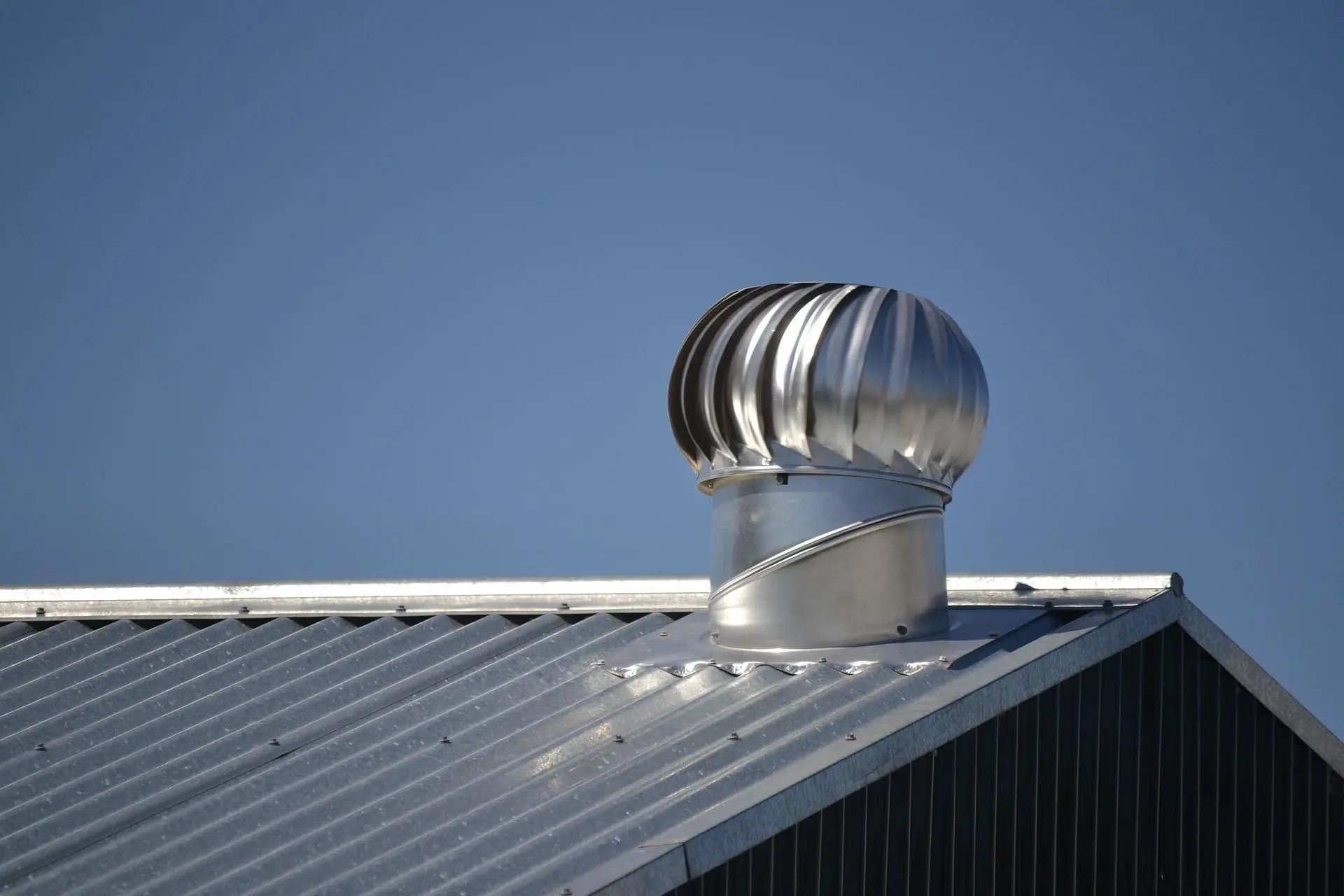
Vents might not get much attention, but they’re crucial. They help regulate air pressure in your pipes and keep sewer gases from backing up into your home. Without proper venting, your plumbing just won’t work right.
Components of Your Plumbing System
Your home’s plumbing relies on a few key players to keep things running smoothly:
Pipes and Fittings
The pipes and fittings are the unsung heroes of your plumbing system. PVC and ABS pipes are great for drains, while copper and PEX are typically used for water supply. Each material has its pros and cons, so it’s good to understand your options.
Fixtures and Appliances
From toilets and sinks to dishwashers and water heaters, fixtures and appliances are what make your plumbing system practical and functional. These are the parts you interact with daily, so proper installation and maintenance are key.
Valves and Shutoffs
Valves might not seem exciting, but they’re lifesavers in emergencies. Shutoff valves let you isolate specific parts of your plumbing for repairs, which can save you from dealing with an entire house without water.
Choosing the Right Materials for Your Plumbing

With so many plumbing materials out there, it’s important to pick the right one for your needs. Here’s a quick breakdown:
- PVC vs. ABS for Drains: PVC is flexible and handles UV exposure well, while ABS is slightly stronger and easier to install.
- Copper vs. PEX for Supply Lines: Copper is durable and long-lasting, but PEX is more budget-friendly and flexible, making it a popular choice for modern homes.
- Cast Iron for Plumbing: While not as common these days, cast iron is still a go-to for drainage systems thanks to its noise-reducing properties.
Planning Your Plumbing Layout
If you’re designing or renovating your home’s plumbing system, a little planning goes a long way.
- Efficient Fixture Placement: Keep fixtures like sinks and toilets close together to save on piping and installation costs.
- Direct Pipe Runs: The fewer twists and turns in your pipes, the better your water pressure will be.
- Future Expansions: Thinking about adding a bathroom or laundry room down the road? Design your plumbing system to accommodate future upgrades.
Plumbing Installation Best Practices
Whether you’re tackling a DIY project or hiring a pro, there are a few best practices to keep in mind:
- Proper Pipe Support and Anchoring: Loose pipes can cause leaks or rattling noises, so make sure they’re well-supported.
- Accessible Cleanouts: Installing cleanouts in strategic spots makes it easier to deal with clogs later on.
- Pipe Insulation: Insulate pipes to prevent freezing in the winter and save energy on hot water.
Common Plumbing Mistakes To Avoid
Plumbing can be tricky, so watch out for these common mistakes:
- Improper Slope in Drain Lines: Without the right slope, water and waste won’t drain properly.
- Mixing Different Pipe Materials: Connecting materials like copper and steel without the right fittings can cause corrosion.
- Inadequate Venting: If your system isn’t vented correctly, it can lead to slow drainage or even sewer gas smells.
Troubleshooting Plumbing Issues
Every homeowner faces plumbing issues now and then. Here’s how to handle some of the most common ones:
- Identifying Leaks: Keep an eye out for water stains, damp spots, or unexplained spikes in your water bill.
- Dealing with Clogs: A plunger or a drain snake can often do the trick. For tougher clogs, try an enzymatic cleaner—but skip the harsh chemicals.
- Low Water Pressure: This can be caused by clogs, leaks, or outdated fixtures. Check these areas first before calling in a pro.
Plumbing Maintenance Tips
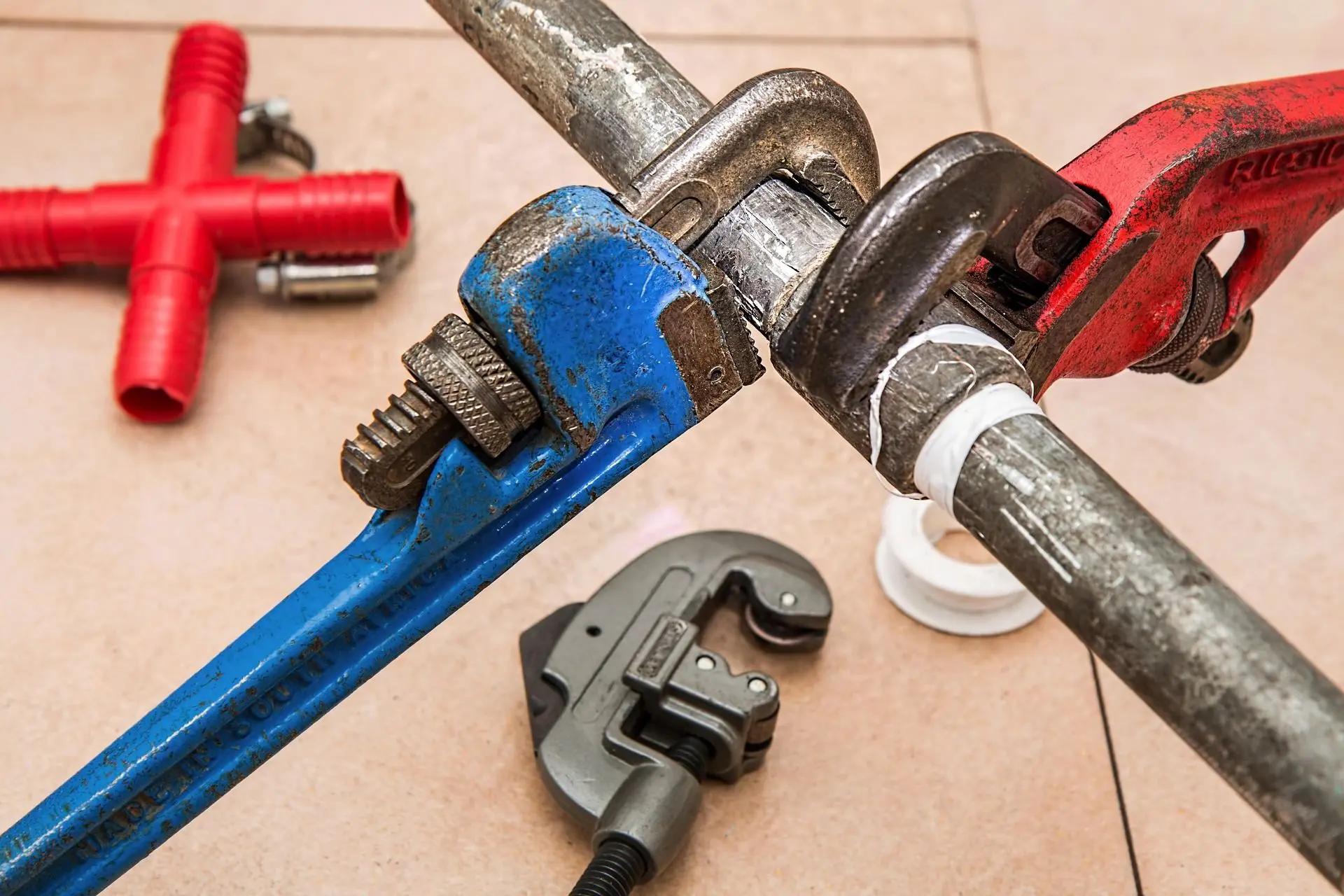
Preventative maintenance can save you from expensive repairs later. Here are a few easy tips:
- Regular Inspections: Look over your pipes, fixtures, and fittings for any signs of wear or leaks.
- Cleaning Drains and Aerators: Remove buildup from aerators and keep your drains free of debris.
- Protecting Pipes in Winter: Insulate exposed pipes and let faucets drip during freezing weather to avoid bursts.
When to Call a Professional Plumber

Sometimes, it’s best to leave things to the experts. If you’re dealing with a major leak, or sewer line issue, or just aren’t sure what you’re doing, call a licensed plumber. They’ll have the tools and expertise to fix the problem quickly and safely.
Conclusion
Plumbing might seem complicated, but with the right knowledge, you can handle a lot independently. By understanding how your system works, planning carefully, and avoiding common mistakes, you can keep your home’s plumbing in top shape for years to come.
Next Up in Plumbing
- DIY Fixes for Common Plumbing Problems
- Designing Plumbing Systems for Energy Efficiency
FAQs
What’s the best pipe material for water supply?
Copper is durable and long-lasting, but PEX is a great modern option that’s flexible and cost-effective.
How do I protect my pipes in the winter?
Insulate them, keep cabinet doors open to allow warm air circulation, and let your faucets drip during extreme cold.
Can I install the plumbing myself?
You can handle some smaller projects, but for bigger installations or anything involving code compliance, it’s smart to call a professional.
