
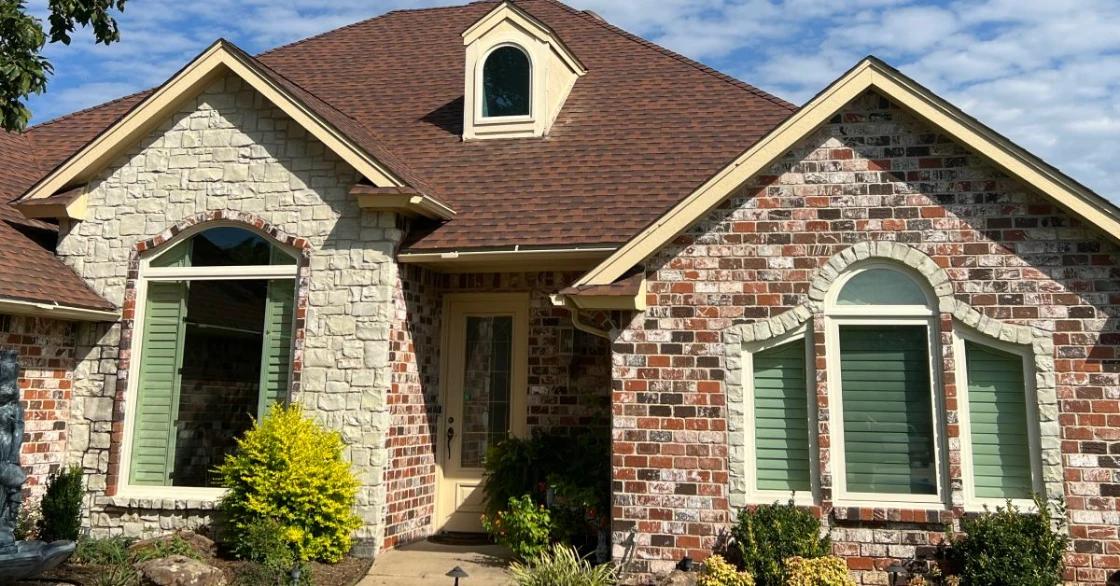
Selecting the right window materials for your home is more than just an aesthetic decision—it's an investment in comfort, energy efficiency, and long-term value.
Whether you're building a new home or replacing existing windows, understanding the distinct properties of different window materials can save you thousands in energy costs while enhancing your home's appearance and functionality.
This comprehensive guide breaks down everything you need to know about vinyl, wood, fiberglass, aluminum, composite, and clad window options, helping you navigate the complex decision-making process with confidence. We'll explore how each material performs in various climates, their maintenance requirements, durability factors, and cost considerations to ensure you make an informed choice that aligns with your specific needs and budget.
Understanding Window Material Performance Factors

Before diving into specific materials, it's essential to understand the key performance factors that differentiate window options.
Energy efficiency stands as perhaps the most critical consideration, directly impacting your home's comfort and utility bills. This is measured through U-factor (how well a window prevents heat transfer, with lower numbers indicating better insulation) and Solar Heat Gain Coefficient (SHGC, measuring how much solar radiation passes through). Premium windows often feature low-emissivity (Low-E) coatings and gas fills between panes to enhance insulation properties.
Durability varies dramatically between materials, affecting your windows' lifespan and performance over time. Consider how different materials respond to your local climate conditions—extreme temperature fluctuations, humidity, salt air, and UV exposure can all impact longevity. Some materials expand and contract significantly with temperature changes, potentially compromising weather seals over time.
Maintenance requirements should align with your lifestyle and preferences. Some homeowners don't mind regular upkeep like painting and sealing if it means achieving a specific aesthetic, while others prioritize minimal maintenance solutions.
Finally, consider the total cost of ownership beyond just purchase price—factor in installation complexity, energy savings, maintenance costs, and expected lifespan to determine the true value proposition of each material option.
Vinyl Windows: Affordable Performance with Limitations
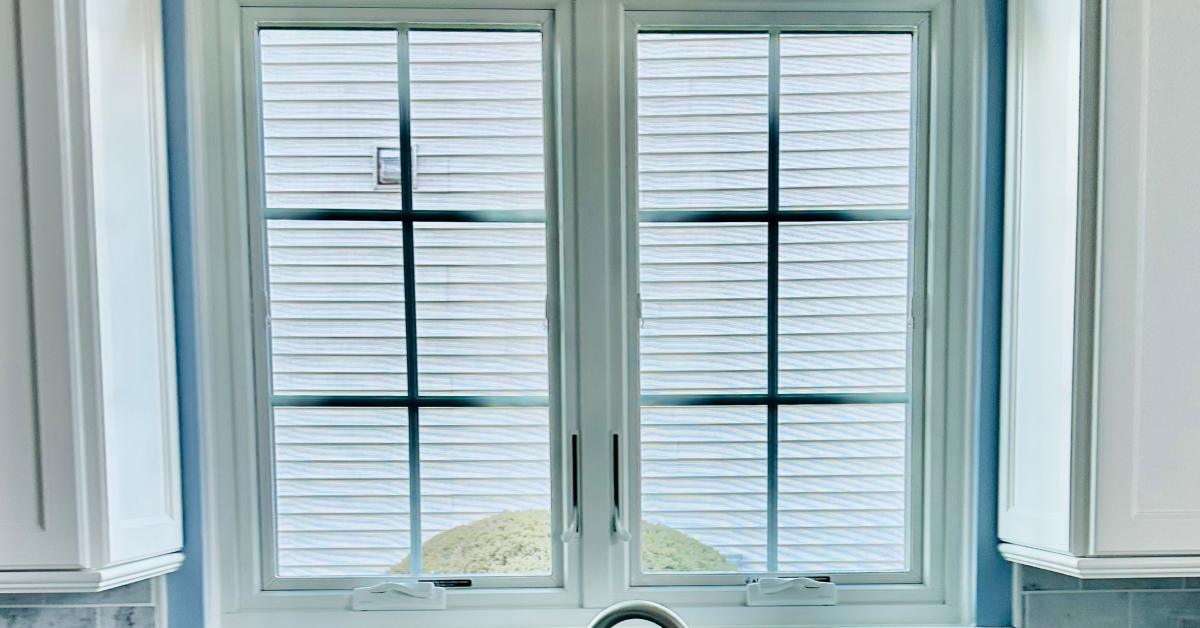
Vinyl windows, constructed from polyvinyl chloride (PVC), have become the most popular choice in North America, accounting for over 70% of the residential window market. Their rise to prominence stems primarily from their exceptional value proposition—they offer good insulation properties at a significantly lower price point than most alternatives. Modern vinyl windows feature multi-chambered frames that trap air for improved thermal performance, with quality options achieving U-factors as low as 0.27.
The maintenance advantages of vinyl windows cannot be overstated. Unlike wood, they never require painting, staining, or sealing—a simple cleaning with mild soap and water keeps them looking fresh. They're impervious to moisture, eliminating concerns about rot, mold, or insect damage that plague organic materials. Most manufacturers offer limited lifetime warranties, reflecting their confidence in the product's durability.
However, vinyl windows do have notable limitations. Quality varies tremendously between manufacturers, with budget options prone to warping, fading, and seal failure. Even high-quality vinyl expands and contracts more than other materials, potentially affecting performance in extreme climates.
Aesthetically, while vinyl windows have improved dramatically with woodgrain finishes and more color options, they still lack the premium look of natural wood or the sleek profiles possible with stronger materials like fiberglass or aluminum. For environmentally conscious consumers, it's worth noting that PVC production raises sustainability concerns, though some manufacturers now offer recycled content options.
Wood Windows: Timeless Beauty with Maintenance Demands
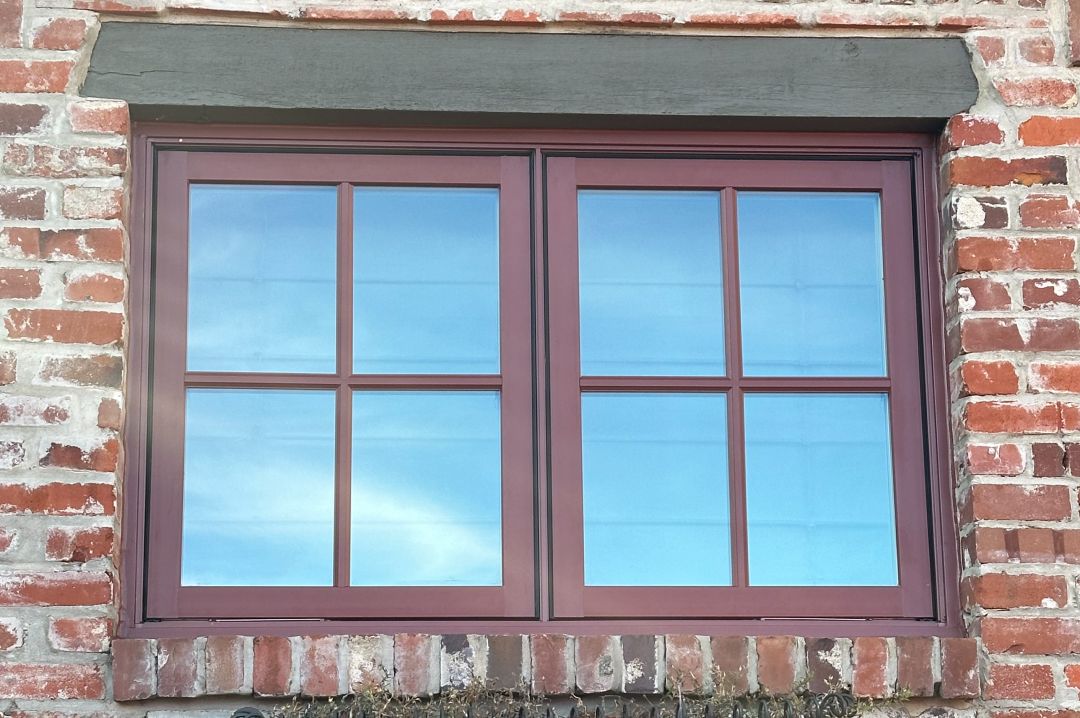
Wood windows remain the gold standard for traditional aesthetics, offering unmatched warmth and character that synthetic materials simply cannot replicate. Crafted from various species, including pine, Douglas fir, mahogany, and oak, these windows provide excellent natural insulation with R-values superior to vinyl and aluminum. Their versatility in finishing options allows for perfect integration with any architectural style—they can be painted or stained in countless colors and refreshed whenever design preferences change.
The primary drawbacks of wood windows center around maintenance requirements and cost. Without proper care, wood is vulnerable to moisture damage, warping, rot, and insect infestation.
Homeowners must commit to regular inspection, repainting or restaining every 3-5 years, and prompt repairs to maximize lifespan. This ongoing maintenance adds to the already premium purchase price, making wood windows the most expensive option both initially and over time.
For those drawn to wood's beauty but concerned about maintenance, consider wood windows with aluminum or vinyl cladding on exterior surfaces, offering protection from the elements while preserving the interior wood aesthetic. Premium manufacturers like Marvin, Pella, and Andersen have perfected these hybrid designs, though they command top-tier pricing. Wood windows shine in historic renovations, high-end custom homes, and projects where authentic character takes precedence over maintenance considerations.
Fiberglass Windows: The Premium Performance Option
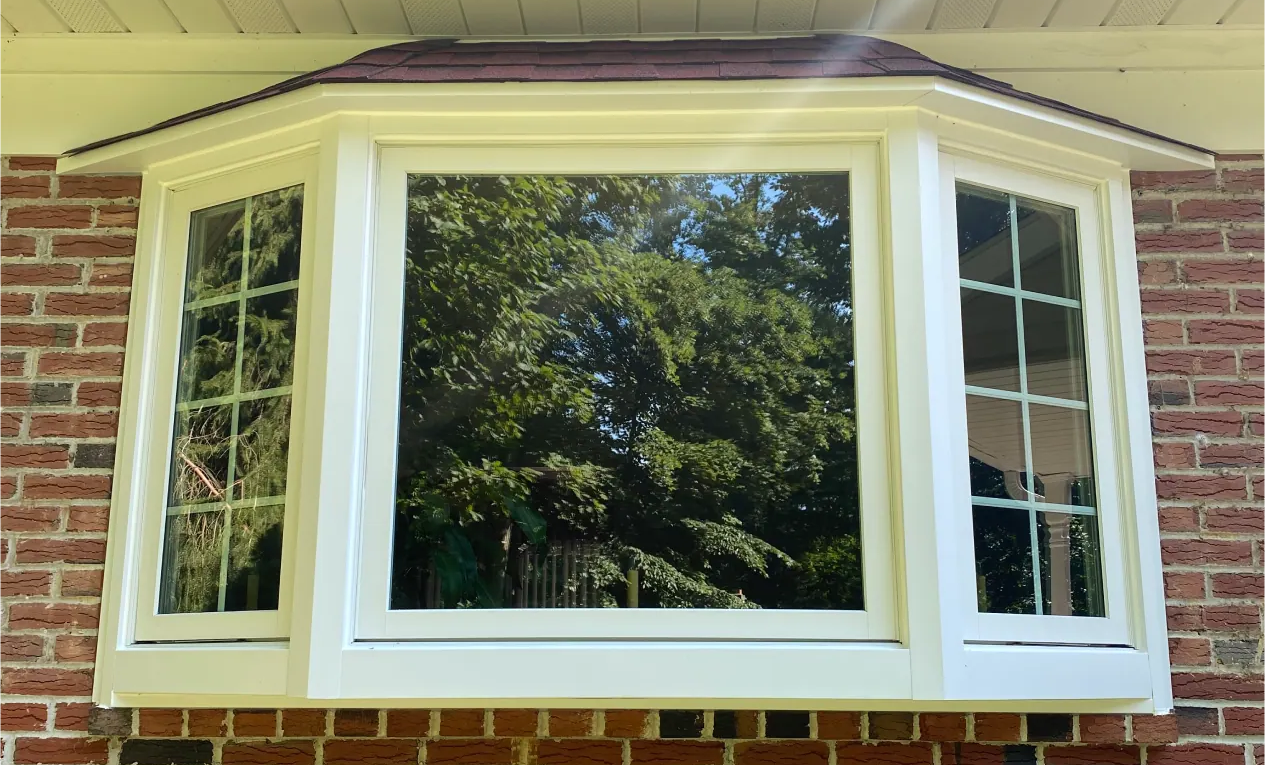
Fiberglass windows represent the cutting edge of window technology, offering exceptional structural integrity and thermal performance that justifies their higher price point. Manufactured through a pultrusion process that combines glass fibers with resin, these windows exhibit remarkable dimensional stability—expanding and contracting at nearly the same rate as the glass itself. This minimal movement prevents the seal failures and operational issues that plague less stable materials in extreme temperature fluctuations.
The strength-to-weight ratio of fiberglass allows for slimmer frames and larger glass areas without sacrificing structural integrity, maximizing natural light and views. Many designs feature hollow chambers that can be filled with insulation, achieving U-factors as low as 0.19—among the best in the industry. Unlike vinyl, fiberglass can be painted, allowing for color customization and refreshing over time without replacement.
Durability stands as perhaps fiberglass's most compelling advantage. These windows resist warping, rotting, corrosion, and UV damage, maintaining their appearance and performance for decades with minimal maintenance. While the upfront cost runs 15-30% higher than quality vinyl, the extended lifespan (often 50+ years) and energy savings make fiberglass increasingly attractive from a lifetime value perspective. Leading manufacturers like Marvin Infinity, Pella Impervia, and Milgard Ultra have refined their fiberglass offerings to combine performance with increasingly sophisticated aesthetics, including convincing wood-grain finishes for traditional homes.
Aluminum Windows: Modern Aesthetics with Thermal Challenges
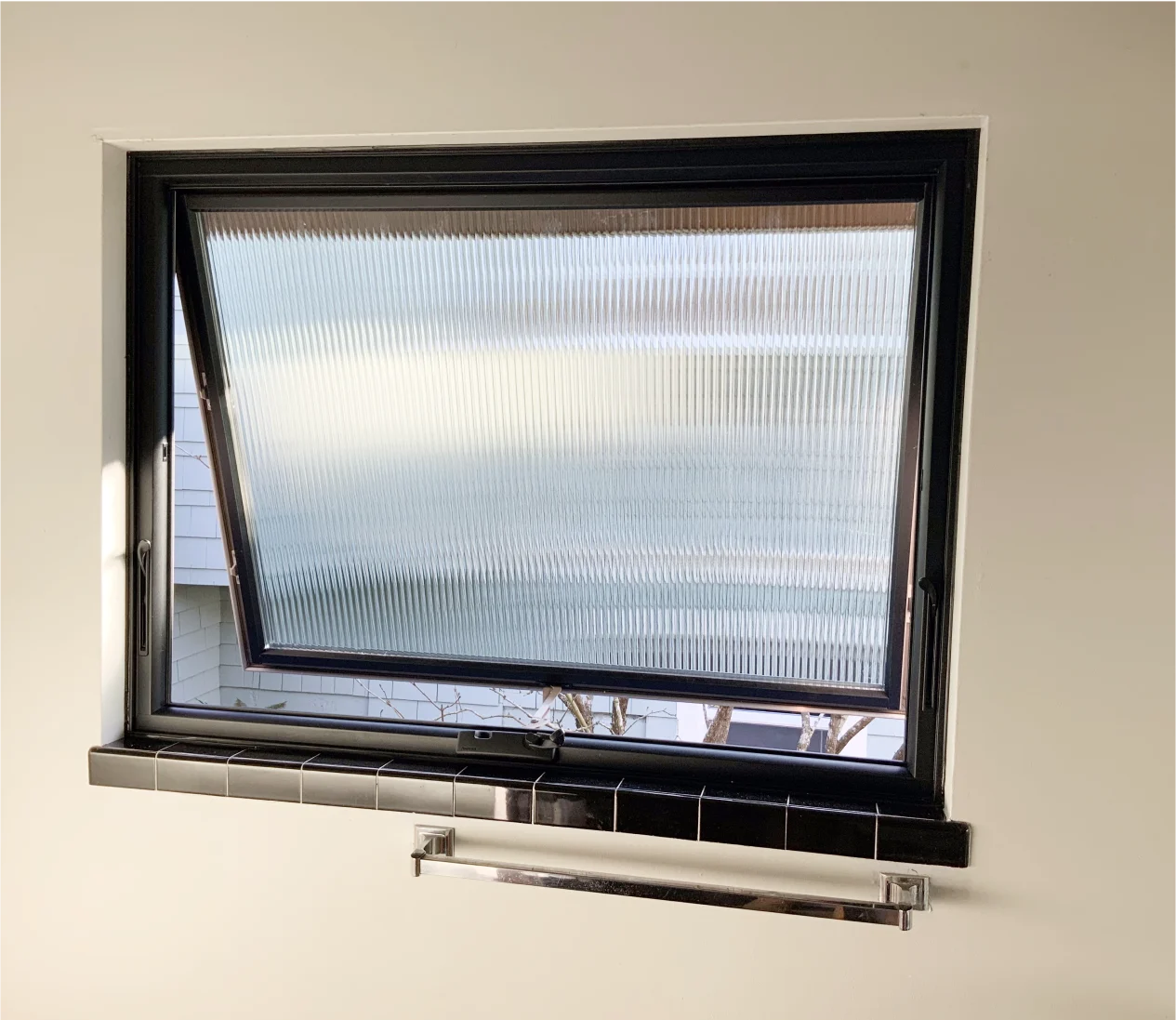
Aluminum windows deliver unmatched contemporary aesthetics with their sleek, minimal profiles and industrial appeal. Their exceptional strength-to-weight ratio allows for the thinnest frames of any window material, maximizing glass area and creating clean lines that complement modern architectural styles. This structural strength makes aluminum the go-to choice for large picture windows, floor-to-ceiling applications, and custom shapes where other materials would require bulkier framing.
Durability represents another significant advantage of aluminum windows. They resist warping, cracking, swelling, and insect damage, while requiring minimal maintenance beyond occasional cleaning. Most manufacturers offer powder-coated finishes in a wide range of colors that resist chipping and fading far better than painted surfaces.
However, aluminum's primary drawback is its poor thermal performance. As a highly conductive metal, it readily transfers heat and cold, potentially creating comfort issues and condensation problems in extreme climates. Quality aluminum windows incorporate thermal breaks—insulating material that separates the interior and exterior portions of the frame—but even with this technology, they typically can't match the insulation properties of vinyl, wood, or fiberglass. This makes aluminum windows better suited to moderate climates or applications where thermal performance is less critical than structural requirements or aesthetic considerations. Commercial buildings, modern custom homes, and renovation projects emphasizing sleek design often benefit most from aluminum's unique properties.
Fibrex® Windows: Engineered for Specific Benefits
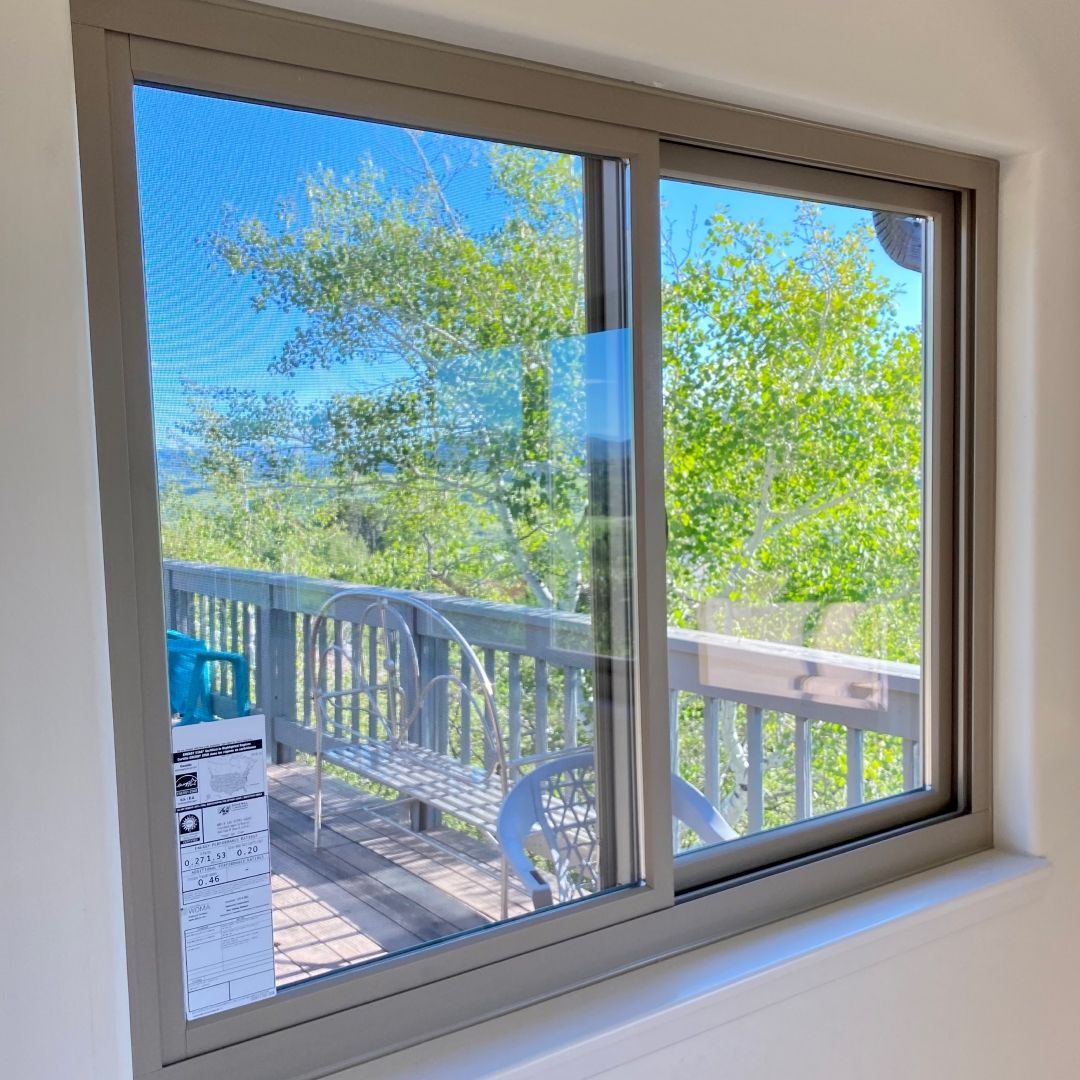
Composite windows represent innovative solutions that combine materials to maximize benefits while minimizing drawbacks. These engineered products typically blend wood fibers with polymer resins to create frames that offer a wood-like appearance with enhanced durability and reduced maintenance.
Andersen's Fibrex® material exemplifies this approach, combining 40% recycled wood fiber with PVC to achieve twice the strength of vinyl while maintaining excellent thermal properties. Composite windows resist moisture, decay, and fungal growth better than wood while offering greater dimensional stability than vinyl. Many options can be painted, allowing for color customization not possible with standard vinyl products.
From a sustainability perspective, composites often incorporate recycled materials and require less energy to manufacture than fiberglass alternatives. Clad windows take a different hybrid approach, featuring a wood interior frame with a protective exterior "cladding" of aluminum, vinyl, or fiberglass.
This construction preserves the traditional warmth and beauty of wood inside the home while shielding vulnerable surfaces from weather exposure. Aluminum-clad wood windows from premium manufacturers like Marvin and Pella have become the gold standard for high-end residential construction, offering the best of both materials—though at a premium price point.
Both composite and clad options occupy the middle-to-upper tiers of the window market, with pricing typically falling between quality vinyl and premium all-wood products. They're ideal for homeowners seeking enhanced performance and reduced maintenance without sacrificing traditional aesthetics.
Making Your Final Window Material Decision

Selecting the ideal window material ultimately requires balancing multiple factors against your specific priorities and constraints. Start by honestly assessing your budget—both initial investment capacity and long-term ownership perspective. While vinyl offers the lowest entry point, fiberglass or quality clad windows might deliver better lifetime value through energy savings and extended lifespan.
Your local climate should heavily influence your decision. In extreme northern regions with harsh winters, the superior insulation of fiberglass or wood becomes more valuable. Coastal homeowners should prioritize corrosion resistance and UV stability, making fiberglass particularly attractive. In moderate climates, vinyl's value proposition becomes more compelling as thermal performance demands decrease.
Consider your home's architectural style and your aesthetic preferences. Traditional homes generally pair beautifully with wood or wood-look products, while contemporary designs often benefit from the clean lines of fiberglass or aluminum. The window's visibility and importance to your home's curb appeal should also factor into your willingness to invest in premium materials.
Be realistic about your maintenance tolerance and expectations. If you're unlikely to keep up with regular painting and sealing, avoid wood windows regardless of their beauty. Finally, consider your long-term plans—if you'll sell within 5-10 years, focus on materials with broad market appeal, while if you're in your "forever home," prioritize personal preferences and long-term performance. Remember that windows are one of the few home components visible from both inside and outside your home, making their selection particularly impactful on daily living experience and property value.
Ready to transform your home with the perfect windows?
Ready to transform your home with the perfect windows? Contact our window experts today for a personalized consultation and free quote. Our specialists will help you navigate material options, energy efficiency ratings, and design choices to find the ideal windows for your specific needs and budget. Don't compromise on this crucial home investment—let our team guide you to the perfect balance of beauty, performance, and value.
The window material you select will impact your home's comfort, energy efficiency, maintenance requirements, and aesthetic appeal for decades to come. While vinyl windows continue to dominate the market through affordability and decent performance, discerning homeowners increasingly recognize the value proposition of premium materials like fiberglass and quality wood-clad options. These higher-end choices often deliver superior long-term value through extended lifespans, enhanced energy savings, and timeless aesthetics.
Remember that window quality varies dramatically within each material category—a premium vinyl window may outperform a budget fiberglass option, while poorly manufactured wood windows will disappoint regardless of the material's inherent qualities. Work with reputable manufacturers and experienced installation professionals to ensure your investment delivers its full potential benefit.
By carefully weighing the factors we've explored—energy efficiency, durability, maintenance requirements, aesthetics, and cost—against your specific priorities and constraints, you can confidently select window materials that enhance your home's value while improving daily living comfort. The perfect window strikes a personal balance between performance, appearance, and budget that aligns with your unique needs and preferences.
