

When it comes to home improvement projects, window replacement often sits at the intersection of necessity and investment. Whether you're dealing with drafty frames, outdated styles, or simply want to boost your home's energy efficiency, understanding the true cost of window replacement is essential for proper budgeting.
This comprehensive guide breaks down everything from national averages to material costs, installation variables, and long-term value considerations. We'll help you navigate the complex pricing landscape of window replacement in 2025, ensuring you make informed decisions that balance upfront costs with lasting quality and performance. By the end of this guide, you'll know to confidently plan your window replacement project without unexpected financial surprises.
Average Window Replacement Costs: What to Expect

The national average cost for window replacement typically ranges from $400 to $1,000 per window installed, though this figure can vary dramatically based on numerous factors. At the lower end of the spectrum, you might find basic vinyl single-hung windows starting around $200 per window, while premium wood or fiberglass bay windows can exceed $3,000 each.
Most homeowners report spending between $650 and $850 per window for mid-range quality and standard installation.
When considering a full-house window replacement, economies of scale come into play. For a typical home with 10 windows, expect to budget between $4,000 and $10,000 for standard vinyl replacements. Homes with 15-20 windows might see total costs between $6,000 and $20,000, while larger homes with 20+ windows or custom options can easily exceed $30,000. Many contractors offer volume discounts of 5-15% when replacing multiple windows simultaneously, making it financially advantageous to tackle the entire project at once rather than spreading it across multiple phases.
The price spectrum for window replacements can be broadly categorized into three tiers. Budget-friendly options ($200-$450 per window) typically feature vinyl frames with basic glass packages and limited customization. Mid-range options ($450-$800 per window) offer better energy efficiency, more style choices, and improved warranties. Premium windows ($800-$2,500+ per window) provide top-tier materials like wood or fiberglass, advanced energy-efficient features, custom sizing, and extended warranties. Understanding these price points helps set realistic expectations for your project's overall investment.
Key Factors That Determine Your Window Replacement Price
The material of your window frames
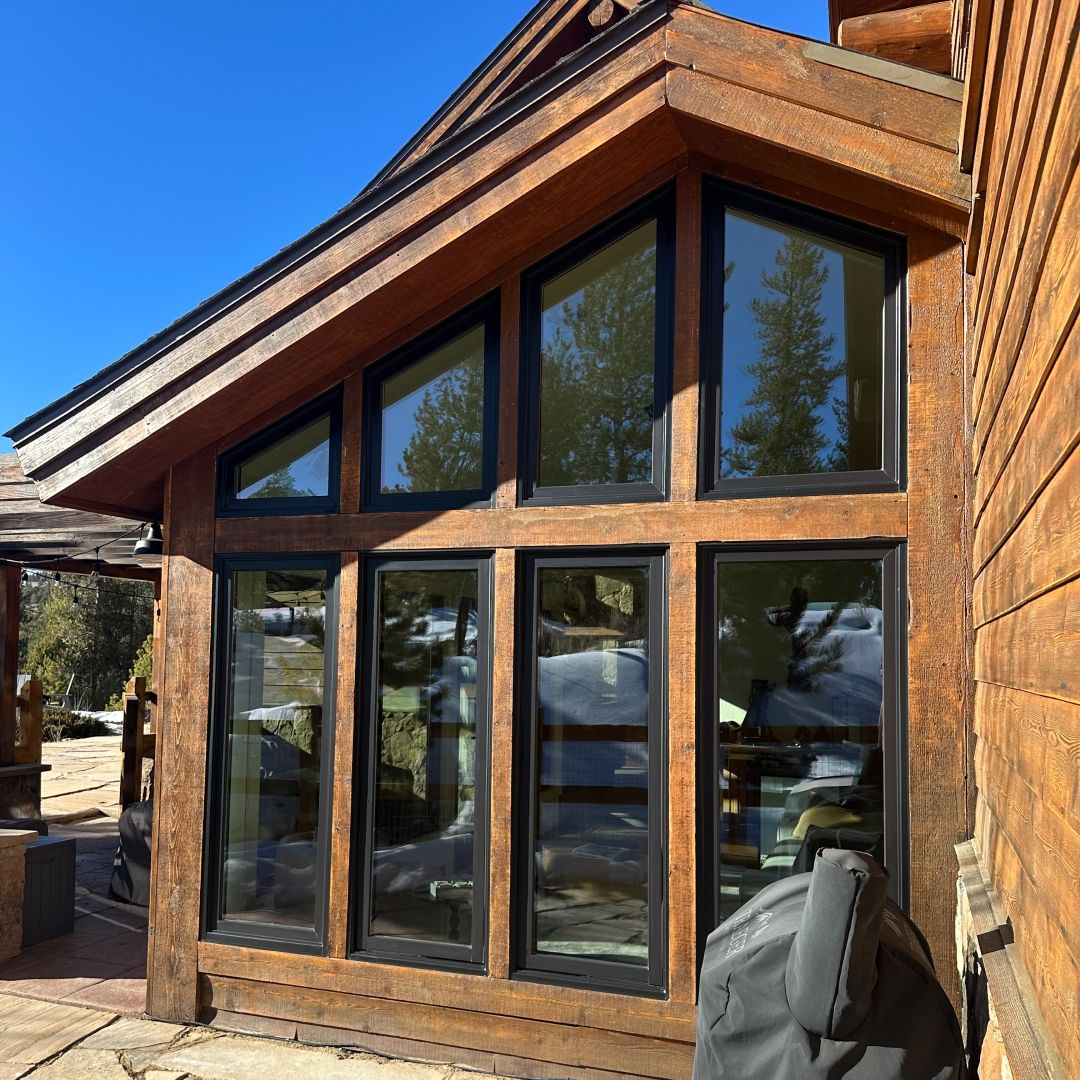
The material of your window frames significantly impacts both cost and performance. Vinyl windows ($250-$600 per window) represent the most affordable option with good insulation properties and minimal maintenance, though they may lack the aesthetic appeal of natural materials. Wood windows ($600-$1,300 per window) offer classic beauty and excellent insulation but require regular maintenance and come at a premium price. Fiberglass windows ($500-$1,500 per window) provide superior durability and thermal performance with a higher initial investment that often pays dividends through longevity. Aluminum windows ($300-$900 per window) offer strength and slim profiles ideal for modern designs, but conduct heat and cold more readily. Composite windows ($400-$1,200 per window) blend materials to balance performance and price.
Window style
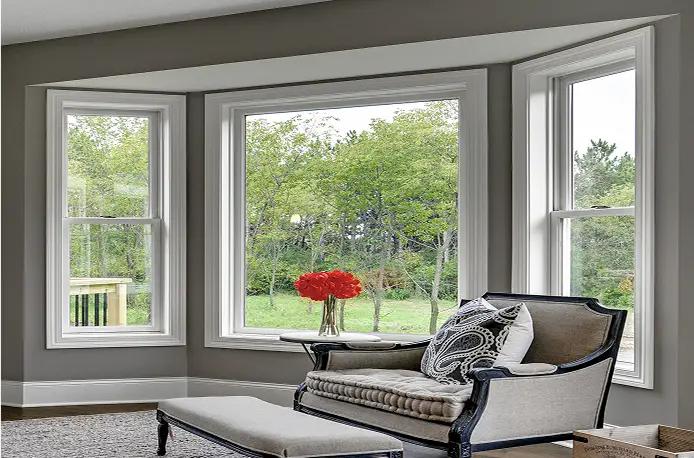
Window style dramatically affects pricing due to differences in complexity, operation, and glass area. Single-hung windows ($150-$400) represent the most economical option, while double-hung windows ($300-$800) offer better ventilation with a modest price increase. Casement windows ($300-$900) provide excellent energy efficiency and unobstructed views. Sliding windows ($300-$800) work well in contemporary homes with horizontal spaces. Picture windows ($300-$1,200) maximize views and natural light but don't open. Specialty options like bay and bow windows ($1,000-$4,500) create architectural interest at a significant cost premium due to their complex installation requirements.
Glass options
Glass options constitute another major price determinant. Basic single-pane glass (rarely used in new installations due to poor insulation) costs the least but offers minimal energy efficiency. Double-pane glass, now the industry standard, adds $100-$200 per window but significantly improves insulation. Triple-pane glass adds another $300-$500 per window for maximum thermal and acoustic performance. Additional features like Low-E4 coatings (adding $30-$50 per window), gas fills ($50-$100), and specialized glass treatments for security, privacy, or UV protection can each add incremental costs that quickly compound across multiple windows.
Labor and Installation Costs

Professional window installation typically accounts for 30-40% of your total window replacement cost. The national average for standard installation ranges from $150 to $300 per window, though this can increase significantly based on complexity and local labor rates. Two primary installation methods affect pricing: retrofit installation (inserting new windows into existing frames) costs less ($100-$200 per window) but is only viable when existing frames are in good condition. Full-frame installation ($250-$500+ per window) involves removing the entire window down to the rough opening and costs more but provides better long-term performance, especially in older homes.
Several factors can drive installation costs higher. Second-story or difficult-to-access windows may incur a 15-30% premium due to safety requirements and additional labor. Structural modifications like enlarging openings can add $500-$2,000 per window. Homes built before 1978 may require lead paint testing and abatement procedures, adding $200-$700 to the project. Custom or non-standard-sized windows typically add 25-50% to both material and labor costs. Most reputable installers include basic cleanup and disposal in their quotes, but always confirm this detail to avoid surprise charges of $25-$50 per window for removal and disposal of old units.
Return on Investment (ROI) and Long-Term Value
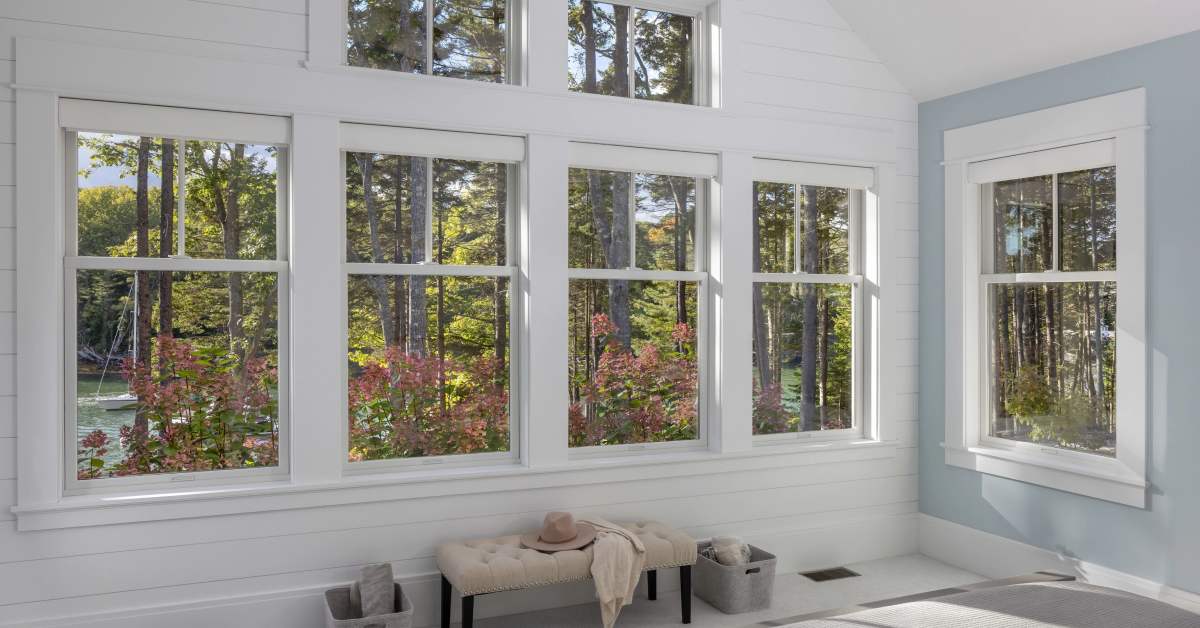
Window replacement consistently ranks among the home improvement projects with the best return on investment. According to the latest Cost vs. Value Report, homeowners can expect to recoup approximately 68-74% of their window replacement costs in increased home value. This percentage tends to be higher in regions with extreme climates where energy efficiency is particularly valuable to prospective buyers.
The energy savings from modern windows provide substantial long-term value. ENERGY STAR estimates that replacing single-pane windows with qualified models saves homeowners $101-$583 annually on energy bills. Double-pane window upgrades still yield savings of $27-$197 per year. Over 20 years, these savings can offset 30-50% of your initial investment. High-performance windows with features like Low-E coatings, multiple panes, and gas fills maximize these savings.
Beyond financial returns, new windows deliver significant quality-of-life improvements. Modern windows can reduce outside noise by 25-50%, particularly valuable in urban settings or near busy roads. They eliminate drafts and cold spots, creating more consistent indoor temperatures. Enhanced security features like reinforced glass and improved locking mechanisms provide peace of mind. These comfort and security benefits, while harder to quantify financially, represent substantial value for most homeowners.
How to Save Money on Your Window Replacement Project

Take advantage of available financial incentives to reduce your effective project cost. The federal government offers tax credits for ENERGY STAR certified windows, currently 30% of costs up to $600 for windows and skylights. Many states provide additional incentives through property tax exemptions, sales tax exemptions, or direct rebates. Local utility companies frequently offer rebates ranging from $25 to $100 per window for energy-efficient models. The Database of State Incentives for Renewables & Efficiency (DSIRE) provides a comprehensive, searchable database of available programs by location.
Strategic shopping and timing can yield significant savings. Obtain at least 3-5 quotes from reputable contractors to ensure competitive pricing. Request itemized estimates that break down material, labor, and additional costs for true comparison. Consider scheduling installation during off-peak seasons (late fall through winter) when many window companies offer discounts of 10-20% to maintain workflow during slower periods. Ask about contractor-grade windows, which offer good quality at lower prices than retail brands. Some manufacturers offer "good-better-best" product lines where the "good" option provides essential features without premium add-ons.
Be strategic about which windows you replace and when. Focus first on windows with visible damage, operational issues, or those on weather-exposed sides of your home. Consider replacing specialty or oversized windows during a separate phase if budget constraints exist. When negotiating with contractors, inquire about remnant or overstock inventory that might be available at discounted prices. Some companies offer significant discounts (15-30%) for display models or windows ordered for projects that were subsequently canceled.
Professional Installation vs. DIY: Making the Right Choice

Professional window installation offers several compelling advantages that typically justify its cost. Experienced installers ensure proper alignment, sealing, and insulation that directly impact energy efficiency and longevity. Studies show that improper installation can reduce window performance by up to 30%, negating much of your investment in quality windows. Professionals bring specialized tools and equipment that most homeowners don't possess, allowing for precise measurements and adjustments. Perhaps most importantly, manufacturer warranties often require professional installation, with many premium brands voiding coverage entirely for DIY installations.
DIY window installation carries significant risks that should be carefully considered. Even minor installation errors can lead to water infiltration, causing structural damage that far exceeds the cost of professional installation. Improper sealing creates energy inefficiency that compounds over time through higher utility bills. Safety concerns are substantial, particularly for upper-story windows requiring ladder work. The learning curve for proper installation techniques is steep, and mistakes often require professional intervention that ultimately costs more than hiring professionals initially.
DIY installation might be feasible only under very specific circumstances: if you have genuine construction experience, are working with ground-floor windows of standard size, and are installing direct replacements rather than changing window types or sizes. Even then, consider that professionals typically complete in hours what might take a DIY homeowner days, with superior results and warranty protection. For most homeowners, the modest savings of DIY installation (typically $150-$300 per window) rarely justify the risks and potential long-term costs of improper installation.
Understanding Window Replacement Quotes and Potential Hidden Costs
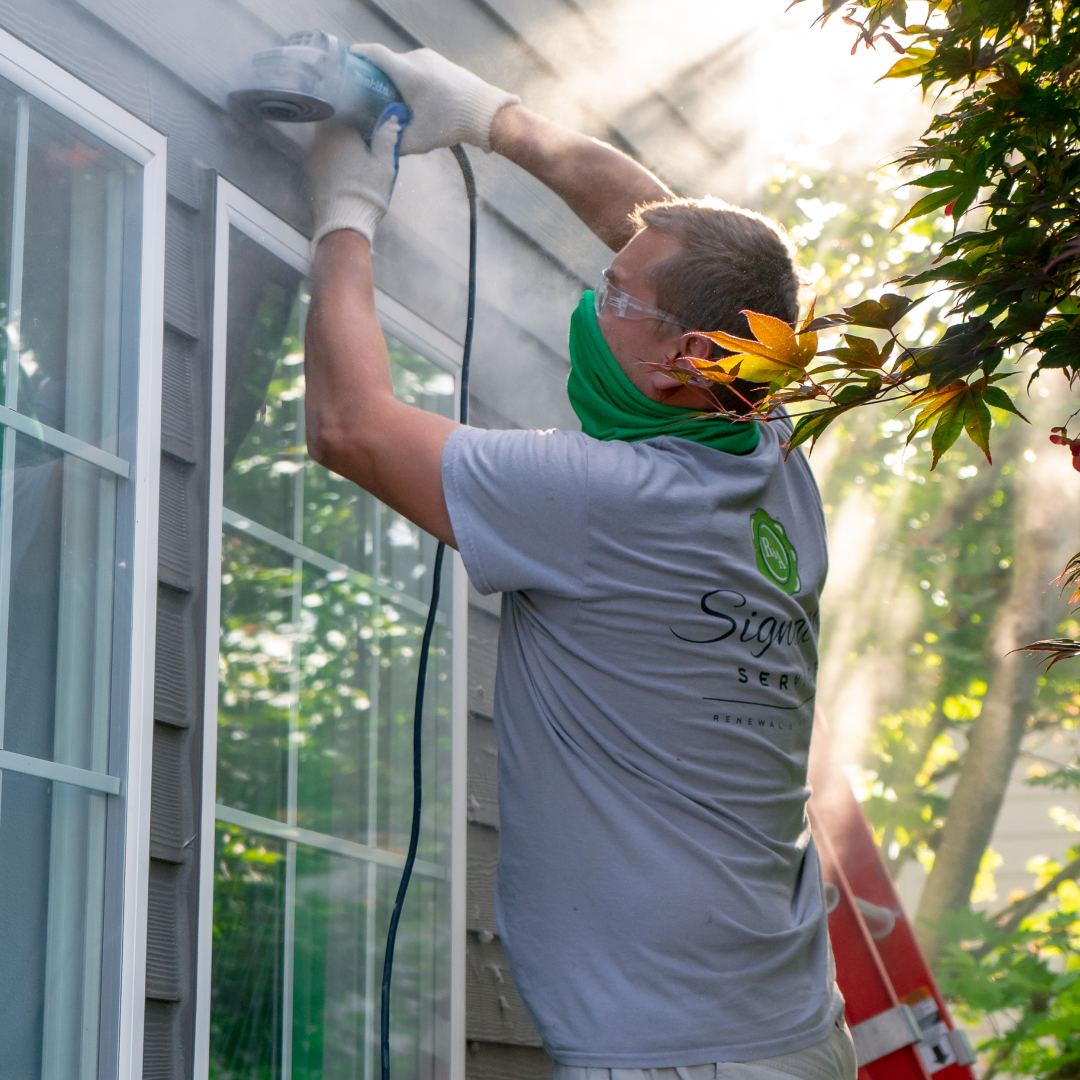
A comprehensive window replacement quote should include several key components to prevent surprise charges. Look for detailed specifications of the window brand, model, material, and features. The quote should clearly state whether the installation is retrofit or full-frame. Labor costs should be itemized separately from materials. Warranty information for both products and workmanship should be explicitly outlined. Proper quotes include details about cleanup, disposal of old windows, and any necessary finishing work like interior trim or exterior caulking. Permits and inspection fees should be addressed, even if simply noting they're the homeowner's responsibility.
Be vigilant about potential hidden costs that can significantly impact your budget. Structural repairs for rot, water damage, or termite damage discovered during installation can add $100-$1,000 per affected window. Non-standard window sizes requiring custom manufacturing typically add 25-50% to window costs. Lead paint or asbestos remediation in older homes can add $500-$2,000 to the project. Exterior finish work, like siding repair or replacement around windows,s might not be included in basic installation quotes. Permit fees vary by municipality but typically range from $50-$200 for window projects.
To protect yourself from unexpected costs, ask specific questions during the estimation process. Request an in-home assessment rather than a phone quote to identify potential complications. Ask directly about what happens if damage is discovered during installation. Get written confirmation of exactly what's included in the cleanup and finishing work. Inquire about the contractor's process for handling unexpected issues and how additional costs are communicated and approved. Reputable contractors will appreciate these questions and provide clear, detailed answers that demonstrate their professionalism.
Ready to transform your home with new windows...
Ready to transform your home with new windows that enhance both comfort and value? Take the next step today by scheduling free consultations with at least three reputable window contractors in your area. Be sure to request detailed, itemized quotes that specify all materials, labor, and additional costs. Ask each contractor about current promotions, energy efficiency rebates, and financing options that might make your project more affordable. Don't forget to verify credentials, insurance, and warranty information before making your final decision. With proper planning and the information from this guide, you're well-equipped to make a window replacement investment that delivers lasting value for your home.
Window replacement represents a significant home improvement investment that balances immediate costs against long-term benefits.
By understanding the factors that influence pricing, from materials and styles to installation methods and regional variables, you can make informed decisions that align with both your budget and home improvement goals.
Remember that the lowest quote isn't always the best value; quality installation and durable materials often justify higher initial costs through extended lifespan, improved energy efficiency, and enhanced home comfort.
Take advantage of available tax credits, rebates, and seasonal promotions to maximize your investment.
Whether you're replacing a single problem window or undertaking a whole-house upgrade, the knowledge gained from this guide empowers you to approach your project with confidence.
With careful planning and realistic expectations about costs and benefits, your new windows will provide decades of improved comfort, aesthetics, and energy efficiency that enhance both your daily living experience and your home's overall value.
