
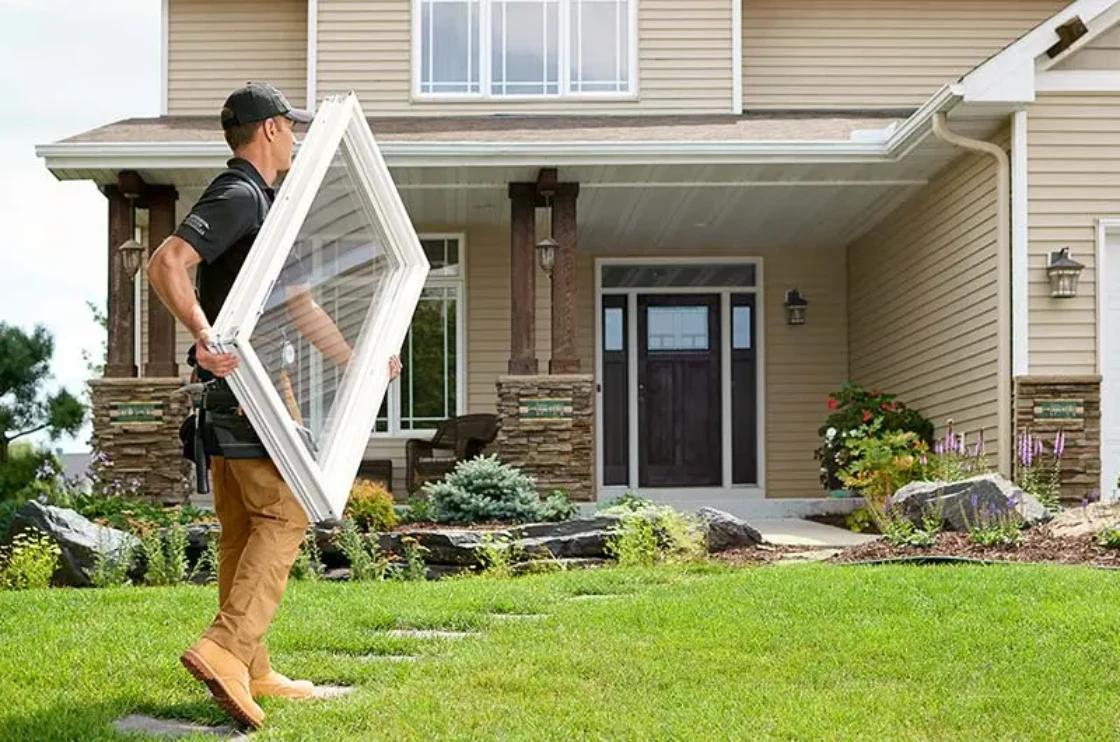
Windows are far more than mere openings in your walls—they're architectural statements that define your home's character while serving crucial functional purposes.
The right windows can flood your spaces with natural light, provide stunning views, enhance energy efficiency, and dramatically elevate your property's curb appeal.
Whether you're building a new home, renovating an existing one, or simply looking to replace outdated windows, understanding the vast array of styles, materials, and design options available is essential for making informed decisions that align with both your aesthetic vision and practical needs.
This comprehensive guide explores everything from classic double-hung windows to modern picture windows, traditional wood frames to innovative composite materials, and how each choice contributes to your home's overall look and feel. Discover how to select windows that not only complement your architectural style but also improve comfort, efficiency, and value for years to come.
The Defining Role of Windows in Home Aesthetics and Functionality
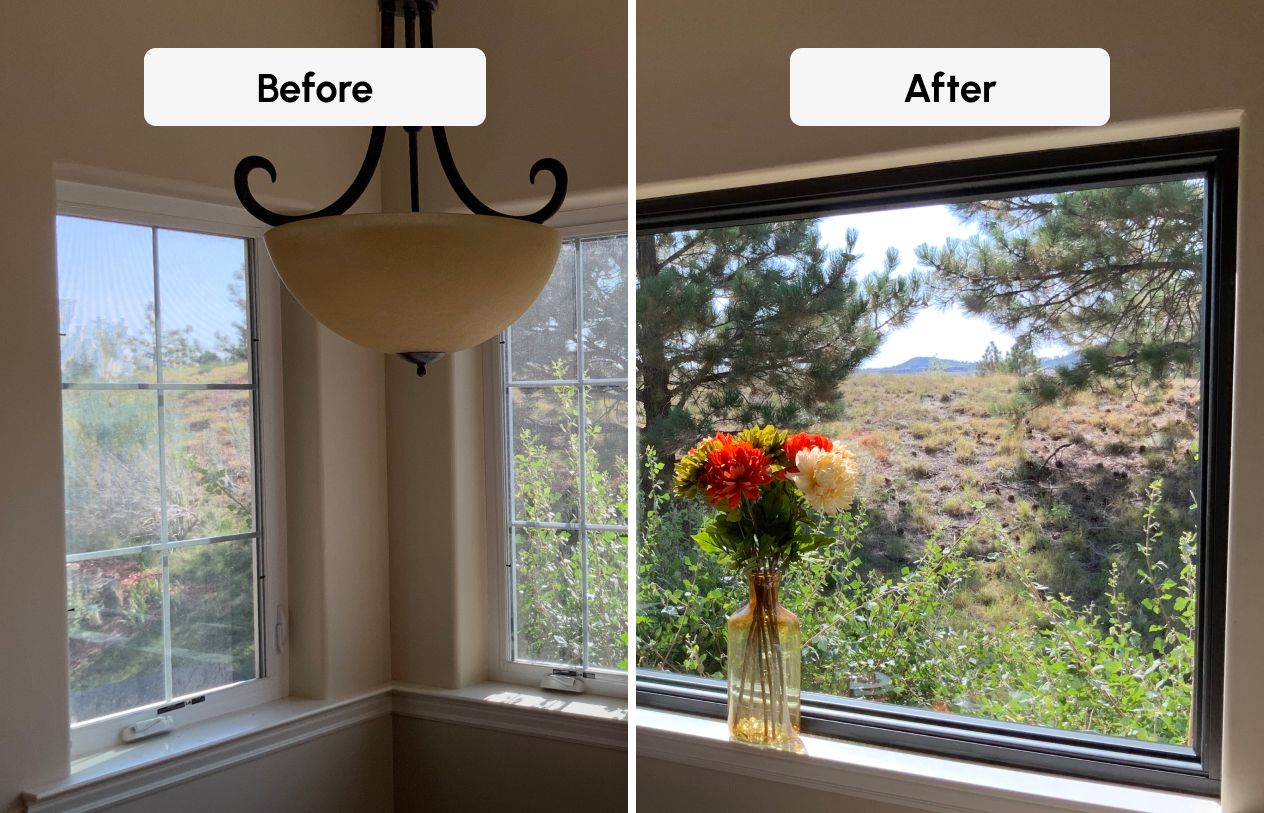
Windows serve as the eyes of your home, creating a vital connection between interior spaces and the outside world.
Their impact extends far beyond mere functionality—they're fundamental design elements that influence how we experience our living spaces.
Architecturally, windows help establish a home's style identity, whether it's the symmetrical, multi-paned windows of a Colonial home, the expansive glass walls of a modern dwelling, or the charming bay windows of a Victorian residence.
The size, shape, placement, and style of your windows can either reinforce your home's architectural integrity or create jarring visual disconnects.
Beyond aesthetics, windows have a profound impact on your home's interior ambiance. They determine how natural light flows through spaces, creating either bright, airy environments or more intimate, controlled lighting scenarios.
This light manipulation directly influences everything from paint color perception to furniture placement and even your psychological well-being, as natural light exposure has been linked to improved mood and productivity. Externally, windows contribute significantly to curb appeal, often serving as focal points that draw the eye and create visual rhythm across your home's façade.
When selecting windows, homeowners must navigate a complex balance of considerations. While aesthetic preferences might initially drive decisions, practical factors like energy efficiency, ventilation capabilities, security features, and maintenance requirements demand equal attention.
Climate considerations are particularly crucial—homes in hot, sunny regions benefit from windows with excellent solar heat gain control, while those in colder climates prioritize superior insulation properties.
Budget constraints also play a significant role, as window costs vary dramatically based on material, size, and performance features. The most successful window selections thoughtfully address this interplay between beauty and functionality, resulting in choices that enhance both the visual appeal and livability of your home.
Exploring Window Types: Operational Styles and Designs
The operational style of your windows—how they open and close—significantly impacts both aesthetics and functionality. Each window type offers distinct advantages and limitations that make them suitable for specific applications throughout your home.
Hung Windows: Classic and Versatile
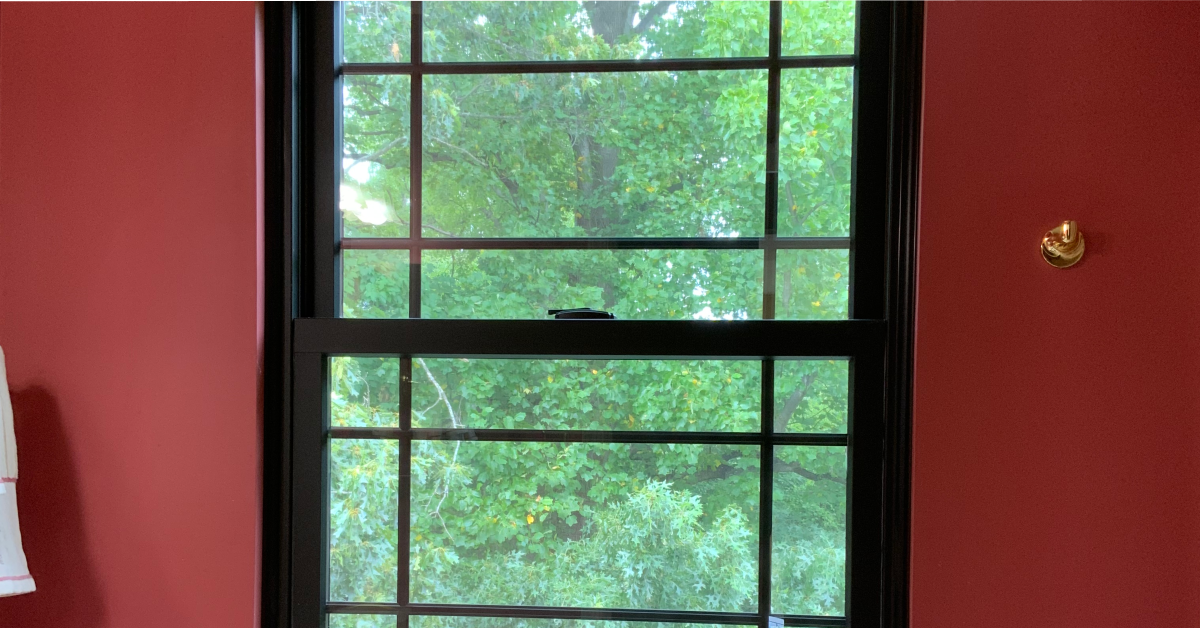
Hung windows represent one of the most traditional and widely used styles in American homes. Single hung windows feature a fixed upper sash with a movable lower sash that slides vertically, offering a classic look that suits various architectural styles from Colonial to Craftsman.
Their simpler mechanism makes them more affordable than many alternatives, though they provide ventilation only through the bottom half of the opening.
Double-hung windows improve upon this design by allowing both sashes to move, creating more versatile ventilation options and easier cleaning access, particularly valuable for upper-story windows that can be tilted inward for maintenance.
Casement Windows: Energy-Efficient and Modern
Casement windows offer an entirely different operational approach, with hinges on one side allowing them to swing outward like a door. This design provides unobstructed views when closed and exceptional ventilation when open, as the entire window area can capture and direct breezes into your home.
Their tight seal when closed makes them among the most energy-efficient operable window options. However, they require exterior clearance to open fully and may not be ideal for areas with walkways or where strong winds could stress the hinges.
Awning Windows
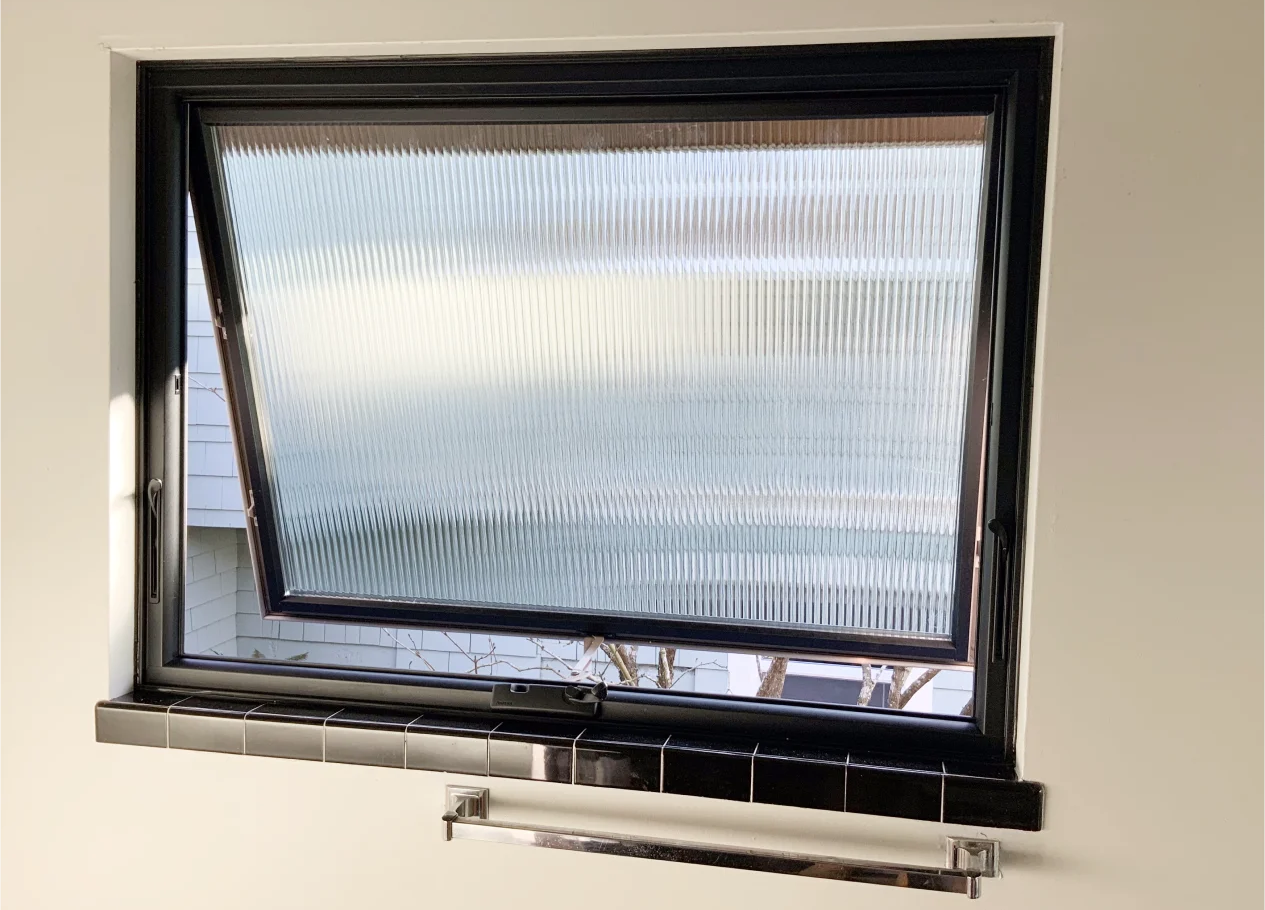
For specialized applications, Awning Windows (hinged at the top) and hopper windows (hinged at the bottom) offer unique benefits. Awning windows excel in rainy climates, as they can remain partially open during light precipitation without letting water in. Hopper windows, commonly used in basements, provide secure ventilation in compact spaces.
Sliding Windows
Sliding windows move horizontally along tracks, making them ideal for spaces where outward-opening windows would be impractical, such as alongside patios or walkways. Their simple operation and contemporary appearance make them popular in modern homes, though only half the window area can be opened for ventilation.
Bay and Bow Windows: Panoramic Views and Cozy Nooks
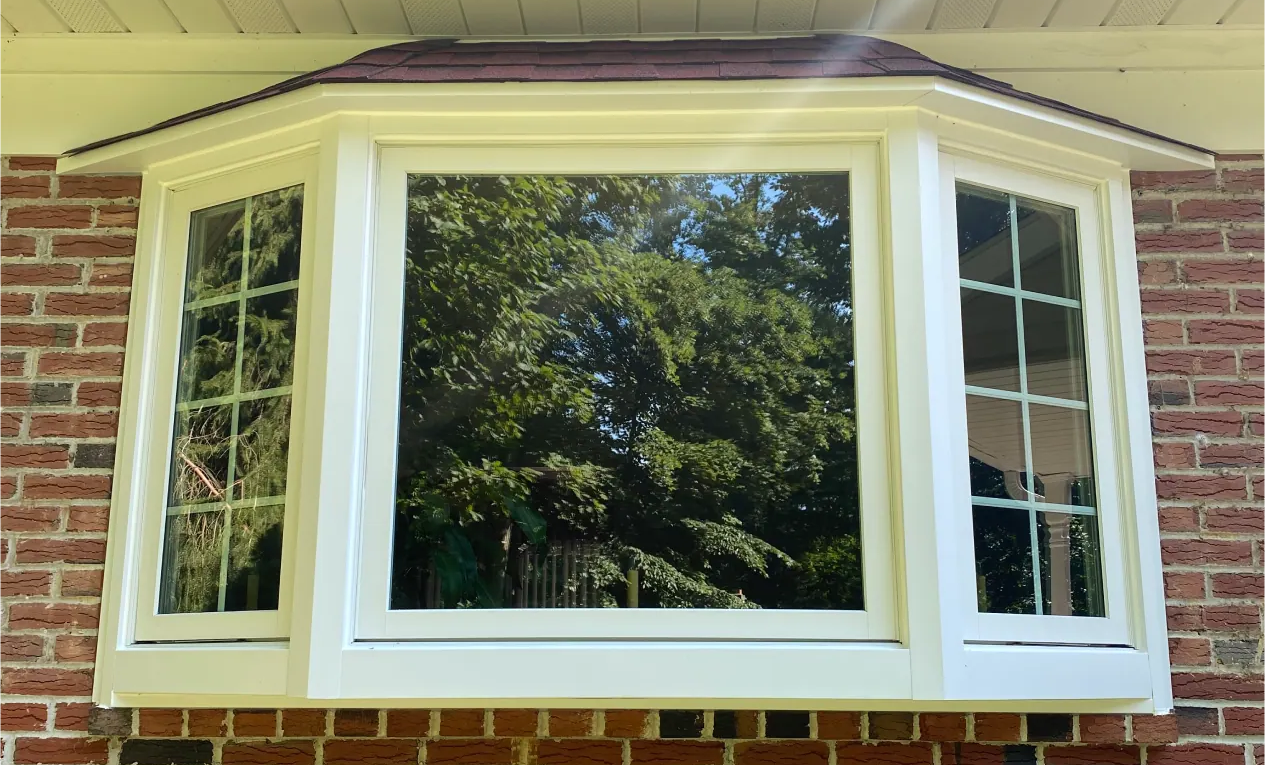
Bay and Bow Windows project outward from the main wall, creating additional interior space while providing panoramic views. Bay windows typically feature a large central fixed pane flanked by two angled windows (often casement or double-hung), creating a geometric projection that adds architectural interest inside and out.
Bow windows create a more gentle curve using four or more window panels arranged in an arc. Both styles flood interiors with natural light from multiple angles and create cozy nooks perfect for reading seats, breakfast areas, or display spaces.
Picture Windows: Unobstructed Views
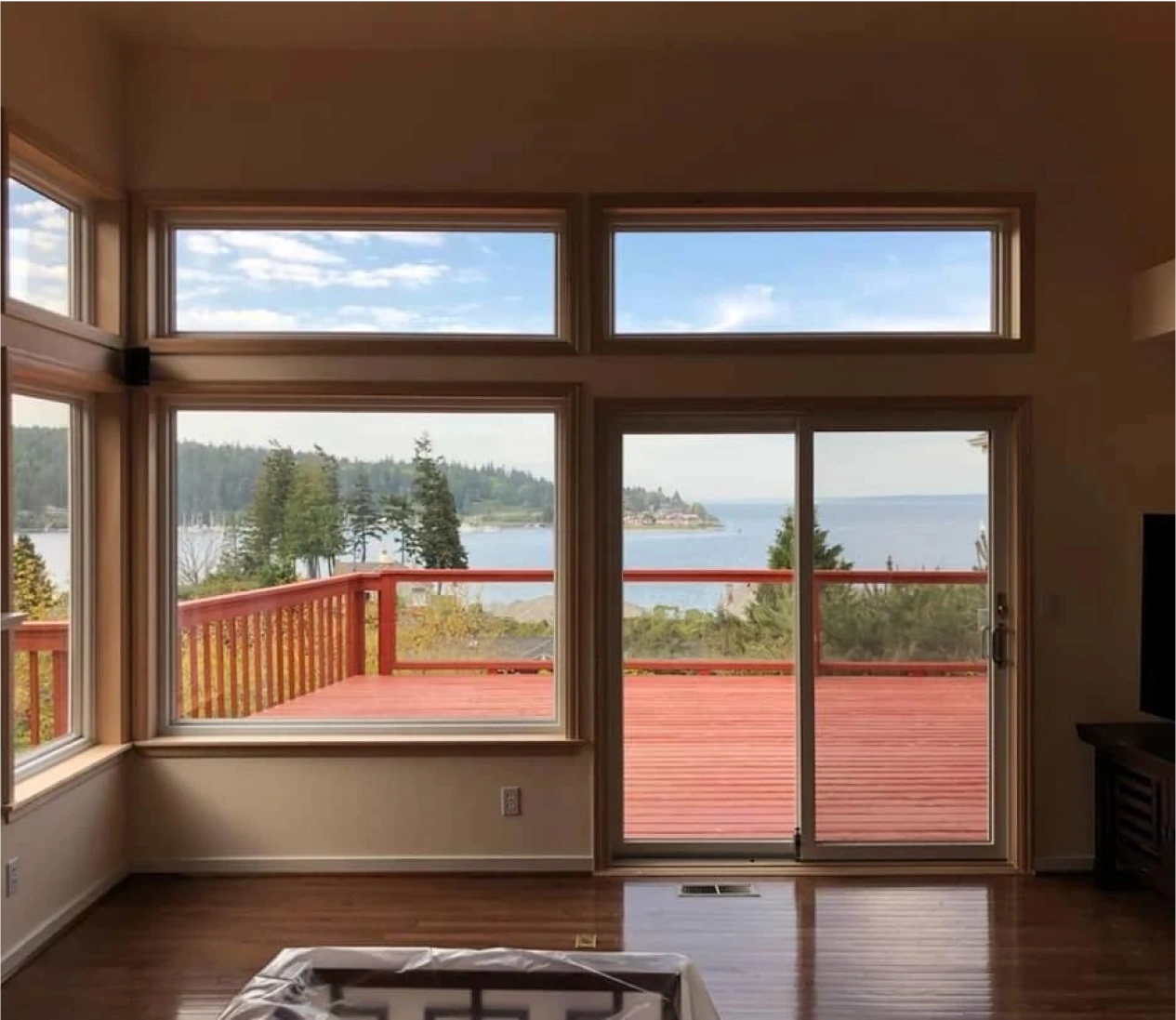
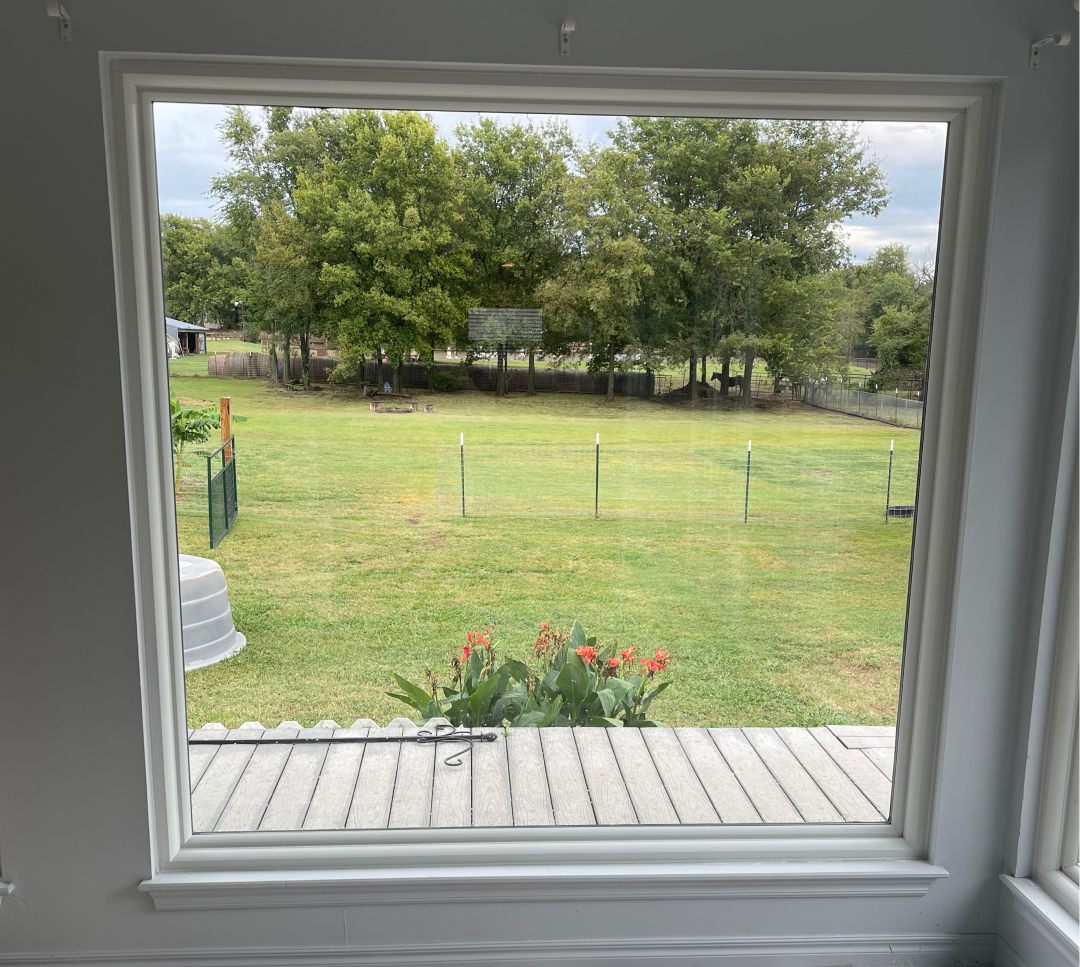
Picture windows offer maximum glass area with no operating parts, framing outdoor views like living artwork while providing superior energy efficiency due to their airtight construction.
Often used as centerpieces in living areas or to showcase spectacular landscapes, they're frequently combined with operable windows to balance the desire for views with ventilation needs.
For dramatic vertical emphasis, floor-to-ceiling windows create striking contemporary statements that blur the boundary between indoors and outdoors, though they require careful consideration regarding privacy and energy performance.
Custom & Specialty Windows: Adding Unique Character
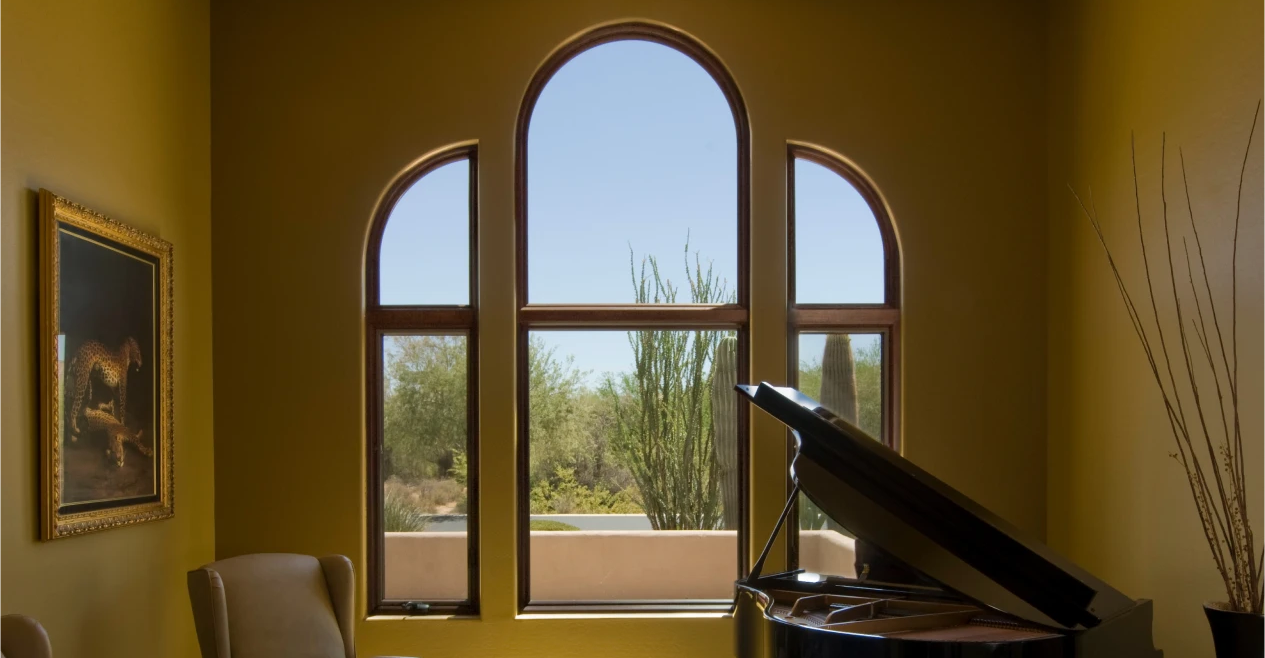
Custom & Specialty Windows add unique character to homes—circular windows (often called oculus or round-top windows) evoke nautical or historical themes, while hexagonal, triangular, or custom geometric windows can serve as distinctive architectural signatures.
Clerestory windows, positioned high on walls near ceilings, provide privacy while admitting abundant natural light, making them valuable in bathrooms or areas where traditional window placement would compromise privacy. These statement windows often command premium prices but deliver an outsized impact on your home's character and value.
Window Frame Materials: Aesthetics, Durability, and Efficiency

The material of your window frames profoundly influences not only their appearance but also their performance, maintenance requirements, and longevity.
Fibrex® Frames: Strength, Style, and Lasting Performance
Fibrex® Frames deliver the strength and stability of wood, without the upkeep. It’s twice as strong as vinyl and offers insulation performance up to 700 times better than aluminum.
Its exceptional durability gives you more freedom in your design choices. You can enjoy sleeker, narrower frames that make room for larger, more expansive windows.
With Fibrex®, you get the perfect balance of beauty, resilience, and energy efficiency—so your windows look stunning and perform flawlessly for years
Wood Frames: Timeless Beauty
Wood frames remain the gold standard for traditional aesthetics, offering natural beauty, excellent insulation properties, and a wide range of finishing options. Their warm, organic character complements historic homes, creating a timeless appeal that synthetic materials struggle to replicate.
However, wood requires regular maintenance—painting or staining every 3-5 years—to prevent moisture damage, and even well-maintained wood frames may eventually succumb to rot or insect damage in challenging climates.
Vinyl (uPVC) Frames: Affordable and Low Maintenance
Vinyl (uPVC) frames have surged in popularity due to their affordability and minimal maintenance requirements. Modern vinyl windows offer good thermal performance, particularly when chambers within the frames are insulated.
They resist moisture damage and never need painting, though color options have historically been limited to whites and beiges. While newer manufacturing techniques have expanded color possibilities, vinyl can't be refinished if damaged and may expand and contract with temperature fluctuations, potentially affecting performance over time.
Fiberglass Frames: Premium and High Performance
Fiberglass frames represent a premium alternative that addresses many limitations of other materials. Their exceptional dimensional stability prevents warping or sagging even in extreme temperatures, while their superior strength allows for slimmer profiles and larger glass areas.
Fiberglass offers excellent thermal performance, minimal maintenance requirements, and the ability to be painted if design preferences change. Though their higher initial cost deters some homeowners, their durability and performance often deliver better long-term value.
Aluminum Frames: Modern and Strong
Aluminum frames provide contemporary aesthetics with ultra-slim profiles that maximize glass area, making them popular for modern architectural styles. Their strength and weather resistance make them ideal for coastal areas, though their high thermal conductivity makes them poor insulators unless thermal breaks are incorporated into the design.
For homeowners seeking a compromise, aluminum-clad wood windows offer wood's interior warmth and insulation properties with aluminum's exterior durability and low maintenance, though at a premium price point.
Glazing and Glass Technologies: Enhancing Performance and Comfort
Modern window glass has evolved far beyond simple single panes to become a sophisticated technology that significantly impacts energy efficiency, comfort, and livability.
Insulated Glazing Units (IGUs): The Foundation of Performance
Insulated glazing units (IGUs) form the foundation of contemporary window performance, consisting of two or three panes separated by sealed air or gas-filled spaces.
Double-glazed windows with two panes provide substantially better insulation than single-pane windows, while triple-glazed units offer premium thermal performance, particularly valuable in extreme climates, though at a higher cost and weight.
Low-E Coatings: Reducing Energy Transfer
Low-emissivity (Low-E) coatings represent one of the most important advancements in window technology. These microscopically thin, virtually invisible metallic layers selectively filter different wavelengths of light and heat.
By reflecting infrared heat while allowing visible light to pass through, Low-E coatings dramatically reduce energy transfer through windows. Different formulations address specific climate needs—high solar gain Low-E coatings benefit northern climates by allowing beneficial solar heat while preventing interior heat escape, while low solar gain versions help southern homes block unwanted heat while admitting natural light.
Gas Fills and Spacers: Advanced Insulation
The spaces between glass panes in IGUs are often filled with inert gases like argon or krypton that conduct heat much more slowly than air, further enhancing insulation properties. Argon, being more affordable, is commonly used in standard double-glazed windows with ½-inch spaces, while the more expensive krypton performs better in narrower spaces often found in triple-glazed units.
The spacers that separate glass panes also impact performance—traditional aluminum spacers can create thermal bridges, while "warm edge" spacers made of less conductive materials improve edge insulation and reduce condensation.
Impact-Resistant Glass: Safety and Sound
For homes in coastal regions or areas prone to severe weather, impact-resistant glass protects against flying debris during storms. These laminated glass units, similar to car windshields, feature a tough interlayer that holds glass fragments together even when shattered.
Beyond storm protection, impact glass offers enhanced security against break-ins and superior sound insulation—benefits that make it worth considering even in areas not prone to extreme weather.
The Aesthetic Impact: How Windows Define Your Home's Character
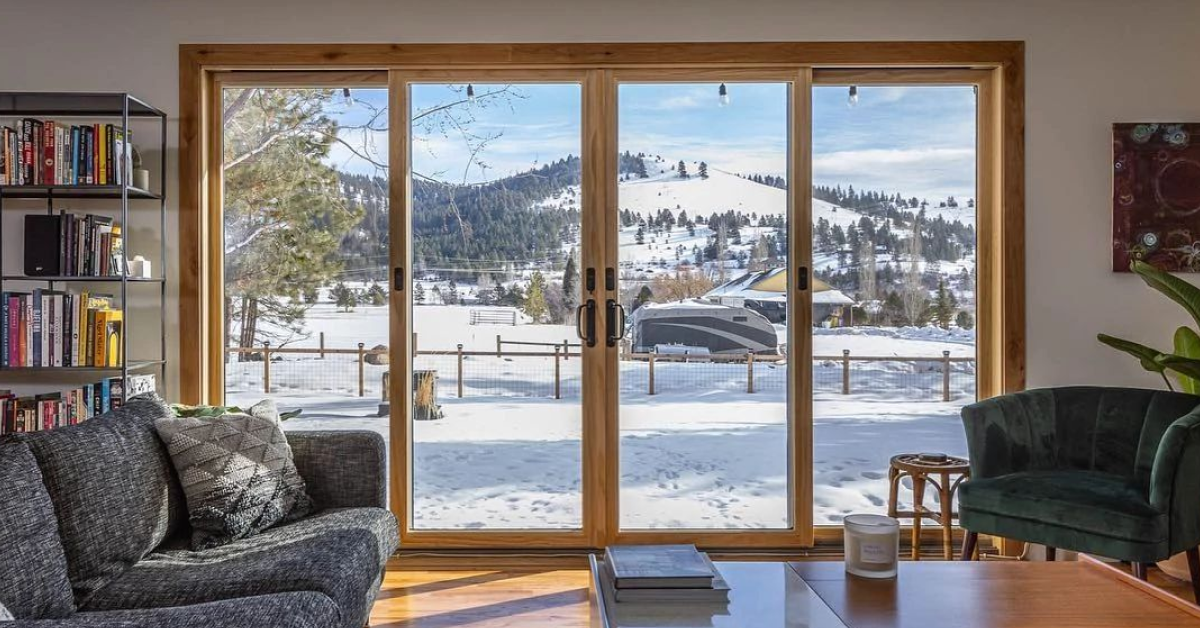
Windows play a pivotal role in establishing your home's architectural identity and emotional character. Their arrangement, proportion, and detailing communicate distinct design languages—whether the symmetrical, multi-paned windows of a Georgian colonial, the diamond-patterned leaded glass of a Tudor home, or the clean, frameless expanses of a contemporary dwelling. When windows harmonize with a home's architectural style, they reinforce its authentic character; when mismatched, they can create jarring visual disconnects that undermine the entire aesthetic.
Window Grille Patterns: Traditional to Modern
Window grille patterns (the dividers that separate glass into smaller sections) significantly influence style perception. Colonial grilles with six-over-six or nine-over-nine patterns evoke traditional New England charm, while Prairie-style grilles with perimeter divisions create a distinctive Arts and Crafts aesthetic.
Diamond patterns suggest English cottage or Tudor influences, while windows without grilles provide clean, contemporary lines. Modern manufacturing allows these grilles to be integrated between glass panes for easier cleaning while maintaining traditional appearances.
Rhythm and Placement: Visual Harmony
The rhythm and placement of windows across a façade create visual harmony through either symmetrical or asymmetrical arrangements. Formal architectural styles typically employ strict symmetry, with windows precisely aligned both horizontally and vertically.
Contemporary designs often use asymmetrical window placements to create dynamic visual interest or to respond to interior functions and views. The proportion of windows to wall space also communicates distinct design sensibilities—traditional homes typically feature more wall than window, while modern designs often maximize glass area.
Color Choices: Defining Curb Appeal
Color choices for window frames dramatically impact curb appeal. Dark frame colors (black, dark bronze, navy) create bold contrast against light-colored walls, emphasizing window shapes as architectural features. White or light-colored frames blend more subtly with surrounding materials for a quieter aesthetic. Wood frames can be stained to highlight natural grain patterns, creating warmth that synthetic materials struggle to replicate.
For cohesive design, window frame colors should coordinate with other exterior elements like doors, trim, and roofing to create a harmonious overall palette that expresses your home's unique character.
Window Treatments: Enhancing Aesthetics and Functionality

Window treatments serve as the finishing touch to your window design, bridging the gap between architecture and interior décor while providing essential functions like privacy, light control, and insulation. The vast array of options allows for customization that complements both your windows and your overall interior design scheme.
Shades: Versatile and Clean
Shades offer versatile solutions in various styles. Roller shades provide clean, contemporary lines and come in materials ranging from sheer light-filtering fabrics to complete blackout options. Roman shades add softness through fabric folds when raised, bringing textile interest to windows while maintaining a tailored appearance. Cellular (honeycomb) shades feature air-trapping pockets that provide excellent insulation, making them energy-efficient choices for climate control. Their cordless lifting options enhance both aesthetics and child safety.
Blinds and Shutters: Light Control and Privacy
Blinds with adjustable slats offer precise light control and privacy. Horizontal blinds in wood or faux wood bring natural warmth and texture, complementing traditional and transitional interiors. Aluminum mini-blinds provide sleek, modern profiles ideal for contemporary spaces, while vertical blinds suit sliding doors and large window expanses. For architectural authenticity in traditional homes, plantation shutters with wide louvers offer timeless appeal and excellent light management, though at a premium price point.
Drapery: Softness and Layering
Drapery adds softness, color, and texture while providing opportunities for layering. Sheer curtains diffuse light beautifully while maintaining daytime privacy; heavier drapes provide insulation and room-darkening capabilities. The hardware used to hang window treatments—from decorative rods with finials to recessed tracks—contributes significantly to the overall aesthetic. For maximum flexibility, layered treatments combine functional elements (like blinds or shades) with decorative components (like side panels or valances) to address multiple needs while creating visual depth.
Smart Home Integration: Convenience and Efficiency
Smart home integration has revolutionized window treatments, with motorized options allowing programmed operation based on time of day, temperature, or sunlight levels. These systems enhance convenience while optimizing energy efficiency, automatically adjusting to minimize heat gain in summer or maximize it in winter. While representing an additional investment, motorized treatments offer particular value for hard-to-reach windows or homeowners with mobility limitations.
Ready to transform your home with the perfect windows?

The right window choices can dramatically enhance your living spaces, improve energy efficiency, and boost your property's value.
Whether you're building new, renovating, or simply replacing outdated windows, professional guidance ensures you'll select options that perfectly balance aesthetics, functionality, and budget.
Contact window specialists today for a personalized consultation to explore the ideal window styles, materials, and treatments for your unique home.
Many companies offer virtual design tools that allow you to visualize different window options on your actual home before making decisions.
Take the first step toward more beautiful, comfortable, and efficient living spaces by scheduling your window consultation today!
A Balanced Approach to Window Selection
Windows represent one of the most significant investments you'll make in your home, one that impacts everything from daily comfort and energy bills to architectural character and resale value.
The perfect windows strike a delicate balance between aesthetic appeal and practical performance, enhancing your home's beauty while addressing functional needs like ventilation, insulation, and maintenance requirements.
As window technology continues to advance, homeowners benefit from increasingly efficient, durable, and customizable options that can be tailored to specific architectural styles and climate challenges.
When selecting windows, consider the long-term implications of your choices. While premium materials and high-performance glass may require greater initial investment, they typically deliver superior comfort, lower energy costs, and extended service life that justify the expense over time.
Similarly, thoughtfully selected window styles that authentically complement your home's architecture create timeless appeal that transcends passing trends.
Remember that windows are not merely functional components but design elements that fundamentally shape how you experience your living spaces.
The quality of natural light, the framing of exterior views, and the visual rhythm created by window arrangements all contribute to your home's unique character and atmosphere.
By approaching window selection with careful consideration of both aesthetic and practical factors, you'll create living spaces that are not only beautiful and comfortable but also efficient and enduring—a true reflection of thoughtful, holistic home design.
